
Quarterly insights: eClinical Pharma IT
CDISC: The data standard underpinning modern drug development

Clinical trials have grown substantially more complex over the past two decades. To deal with this complexity, data standards have become a regulatory requirement. The Clinical Data Interchange Standards Consortium (CDISC) has emerged as the foundational framework for that standardization, and since December 2016, all clinical studies submitted to the FDA have had to conform to CDISC standards.
The pharmaceutical industry historically treated CDISC compliance as a regulatory burden with little or no strategic value. That framing is increasingly difficult to defend. As regulatory requirements have matured and implementation experience has accumulated, the gap between organizations with disciplined CDISC infrastructure and those without is showing up in competitive strength and operational efficiency.
We examine how CDISC-compliant programs built from protocol design forward, with data flowing through standardized structures at every stage, are not just a compliance exercise but a strategic asset. We also explore how pharma IT companies’ CDISC maturity has become a clear, credible signal of competitive strength and enterprise value for the private equity firms, strategic acquirers, and operators investing in and building this space.
We briefly profile six leading vendors helping sponsors implement CDISC standards.
TABLE OF CONTENTS
- CDISC: A framework across the full drug development life cycle
- Why CDISC matters
- TAUGs extend CDISC to address disease-specific data needs
- The competitive and organizational implications
- Where CDISC is heading
- Leading vendors in CDISC standards implementation
- CDISC as strategic infrastructure
- Pharma IT eClinical index back in positive territory
- eClinical M&A: Notable transactions include ArisGlobal and Bio-Techne
- eClinical private placements: Notable transactions include Chai Discovery and Techcyte
CDISC: A framework across the full drug development life cycle
Clinical trials have grown substantially more complex over the past two decades. Programs now span multiple geographies, data sources and trial designs, and the volume of data generated per submission has grown accordingly. Against that backdrop, regulators and sponsors have faced a persistent structural problem: how to ensure clinical data is organized, traceable and reviewable in a consistent way across programs and organizations. Data standards have moved from best practice to regulatory requirement in response. The Clinical Data Interchange Standards Consortium (CDISC) has emerged as the foundational framework for that standardization, and today its standards govern how regulators, drug sponsors and contract research organizations (CROs) structure and exchange clinical research data across the drug development life cycle.
CDISC is a global, non-profit, standards development organization that defines how clinical research data is structured, submitted and reviewed from non-clinical development through regulatory approval. Its standards specify common data models, variable definitions, controlled terminology and metadata requirements spanning protocol planning, data collection, regulatory tabulation and statistical analysis. The most widely used models are the Study Data Tabulation Model (SDTM), which governs submission datasets, and the Analysis Dataset Model (ADaM), which governs analysis-ready datasets. The Clinical Data Acquisition Standards Harmonization (CDASH), Standard for Exchange of Nonclinical Data (SEND), and Operation Data Model (ODM) support data collection, non-clinical studies and data exchange across systems and stakeholders.
These standards are applied across the full clinical research process, not only at the point of regulatory submission. SEND governs the organization and submission of animal and toxicology data in non-clinical development. The Protocol Representation Model (PRM) standardizes protocol design at the study planning stage, while CDASH defines how data is captured at the case report form (CRF) and electronic data capture (EDC) levels. As development progresses, SDTM and its related implementation guides transform collected data into regulator-ready tabulations, accommodating extensions for medical devices, associated persons and specialized data types including pharmacogenomics. ADaM provides structured, traceable datasets at the analysis stage that underpin statistical analysis and regulatory review.
CDISC compliance also encompasses the submission-level components that regulators rely on to interpret clinical data: standardized metadata, annotated case report forms and reviewer documentation capturing study-specific design decisions and derivations. These requirements are enforced through formal conformance and validation processes, with sponsors and CROs verifying datasets against published CDISC rules and regulator-defined acceptance criteria prior to submission.
CDISC’s continued evolution through new therapeutic area guidance, updated implementation guides and modern data exchange formats allows it to accommodate changing trial designs and data types without disrupting regulatory expectations.
Why CDISC matters
CDISC as an investment signal
CDISC has moved beyond regulatory compliance to become the market that pharma IT companies are built around: the technology platforms and specialized CROs that help sponsors capture, standardize and submit clinical data. Because conformance is mandatory and its scope keeps widening — from core SDTM and ADaM datasets toward Dataset-JSON, Fast Healthcare Interoperability Resources (FHIR) based real-world data integration, and ICH M11 protocol standards — demand for what these companies sell is durable and structurally growing. That makes CDISC the right lens for anyone evaluating, investing in or acquiring pharma IT companies, as well as for pharma IT companies themselves.
For a would-be acquirer, the depth of a target’s CDISC capability, including the breadth of standards it supports, its therapeutic-area coverage and its readiness for the format and interoperability shifts arriving in 2026, provides a clear, low-cost read on whether the business is participating in a regulation-backed growth market or selling point solutions into a shrinking niche.
Vendors with disciplined, forward-looking CDISC roadmaps can compound that advantage across their client bases and command a premium at exit. Vendors that treat the standard as a static, back-end deliverable carry latent obsolescence risk that tends to surface when buyers and investors undertake diligence. Vendors’ CDISC maturity is a clear marker of execution quality, product differentiation and enterprise value.
Why CDISC matters to investors and acquirers
Regulation-mandated demand: CDISC conformance is required for FDA and Japan’s Pharmaceuticals and Medical Devices Agency (PMDA) submissions and is expanding across other regulators, so the demand these vendors serve is non-cyclical and not tied to any single sponsor’s pipeline.
An expanding addressable market: CDISC is a widening standard, not a fixed one. Each extension of its scope, from Dataset-JSON to FHIR-based real-world data to ICH M11 protocol standards, opens new lines of work for the vendors built around it, so the market they serve keeps growing with every regulatory step.
High switching costs: Once a vendor’s standards, mappings and validated pipelines are embedded in a sponsor’s programs, replacing them is disruptive and expensive, which supports retention and pricing power.
Capability depth as a diligence proxy: Vendors’ breadth of standards supported, therapeutic-area coverage, CDISC membership tier and readiness for the 2026 format shifts are clear, verifiable signals of how defensible and how valuable a target really is.
Regulatory mandate
Since December 2016, all clinical studies submitted to the FDA have had to conform to CDISC standards, with SDTM, SEND, ADaM, Define-XML and Controlled Terminology specified in the FDA’s Data Standards Catalog as required formats. Japan’s PMDA imposes the same requirement for new drug applications. The European Medicines Agency (EMA) has stopped short of a formal mandate but has moved in the same direction, with its endorsement of ICH M11 in March 2025 directly aligning with CDISC’s Unified Study Definitions Model. For any sponsor operating across multiple regions, CDISC compliance is effectively universal.
Review efficiency
Before standardization, every drug approval submission arrived in a proprietary format, forcing reviewers to decode data organization before evaluating scientific content. SDTM eliminates that problem by defining consistent domains across submissions. Reviewers navigate the same structure regardless of sponsor or therapeutic area. ADaM extends this at the analysis layer, providing traceable, analysis-ready datasets that connect statistical outputs directly back to tabulated source data. The practical result is fewer review cycles, faster first-pass evaluations and reduced submission rejection risk.
Strategic value
The value of CDISC compounds beyond any individual submission. Standardized datasets enable cross-trial pooling of safety and efficacy data, which underpins integrated safety summaries and exposure-response analyses that span multiple studies. Because SDTM and ADaM define common variables and machine-readable metadata through Define-XML, sponsors can reuse analysis programs across studies rather than rebuilding statistical infrastructure from scratch, reducing the total cost of data management over a development program.
This reusability matters most in therapeutic areas where data scarcity is a structural constraint. In rare disease and oncology, where individual trial enrollment is inherently limited, the ability to aggregate CDISC-structured data across studies and institutions is often what makes a meaningful safety or efficacy analysis possible. The same logic applies at the regulatory level: A repository of consistently structured submissions enables agencies to run cross-program data mining and safety surveillance in ways that would be operationally infeasible with proprietary formats.
As sponsors increasingly incorporate real-world data, wearables and electronic health records into development programs, CDISC provides the structural foundation needed to make that data comparable and submission-ready alongside conventionally collected trial data.
TAUGs extend CDISC to address disease-specific data needs
CDISC’s foundational standards provide a disease-agnostic structural framework, but that generality creates a gap. The core model does not prescribe how to represent the data that actually drives regulatory decisions in a given indication, such as tumor measurements, disease staging, immunotherapy response criteria, neurological rating scales and cardiovascular biomarkers. To close that gap, CDISC has developed Therapeutic Area User Guides (TAUGs) that extend the foundational standards with disease-specific variables, controlled terminology and implementation guidance across more than a dozen disease areas, including oncology, cardiology, neurology, rare diseases and mental health.
Oncology is where the complexity becomes most visible. Solid tumor trials require lesion-level tracking and response assessments governed by criteria such as Response Evaluation Criteria in Solid Tumors 1.1 (RECIST 1.1), which carries structural limitations of its own. Reproducibility is affected by reader experience, target lesion selection and interpretation of new lesions, which can shift a patient’s response category when measurements fall near threshold values. Immunotherapy has added another layer of complexity: Immune Response Evaluation Criteria in Solid Tumors (iRECIST) was developed to account for immune-related phenomena like pseudo-progression, but it brings statistical complexity, lacks consensus for pivotal trial use and remains exploratory in most regulatory contexts. Sponsors working across solid tumor, lymphoma and leukemia programs face a further complication, as each follows different response criteria with distinct data structures, all of which must ultimately be mapped into a CDISC-compliant format.
The practical consequence is that TAUG compliance requires domain expertise well beyond knowledge of SDTM or ADaM. TAUGs introduce non-standard variables stored in SDTM supplemental qualifiers, and sponsors must make documented design decisions about data that the standard does not fully specify. Those decisions affect downstream analysis and regulatory review directly. Inconsistent implementation across studies within the same development program creates reconciliation costs that surface at the worst possible time: during submission preparation. For sponsors managing integrated programs, TAUG alignment at study startup is a key risk management decision.
The competitive and organizational implications
The pharmaceutical industry has historically treated CDISC compliance as a cost of doing business: an obligation that consumes resources without generating a return. That framing is increasingly difficult to defend.
As regulatory requirements have matured and implementation experience has accumulated, the gap between organizations with disciplined CDISC infrastructure and those without is showing up in program timelines, submission quality and partner selection.
At the program level, mature CDISC processes reduce data preparation costs, minimize rework, and keep datasets submission-ready throughout the development cycle. This efficiency compounds over time. Once SDTM and ADaM processes stabilize, statistical programmers reuse validated templates across studies rather than rebuilding from scratch. Industry analysis estimates that standardized data management reduces total cost of ownership by approximately 20%, driven by fewer manual integrations and lower rates of review-related delays. Across a multi-study development program, that differential adds up to a meaningful timeline advantage.
The organizational implications extend to how sponsors structure CRO relationships. CDISC capability has become a selection criterion. Sponsors with mature internal standards expect CRO partners to operate at the same level, and misalignment in standards interpretation between sponsor and CRO is one of the most common drivers of late-stage submission remediation. CROs that can demonstrate consistent, validated delivery across therapeutic areas, including TAUG-level requirements in complex indications, have a competitive advantage over those treating compliance as a back-end deliverable. That same differentiation is what makes pharma IT solution providers an attractive investment or acquisition target. For a private equity firm or strategic acquirer assessing a pharma IT company, demonstrated multi-therapeutic, TAUG-level CDISC delivery is evidence of a defensible market position and pricing power.
There is also a data asset dimension that most organizations underutilize. Sponsors that have maintained disciplined CDISC implementation across their portfolio hold a structured, accessible dataset that supports portfolio-level safety surveillance, cross-program exposure-response modeling, and decision making at the program level. Those that have not face retroactive data reconciliation costs whenever cross-program analysis is required. This difference reflects whether leadership has treated data standards as essential infrastructure or as simply a regulatory burden.
Where CDISC is heading
CDISC is moving from a submission-oriented formatting standard toward an end-to-end data infrastructure for clinical development. Several forces are driving this simultaneously.
The most immediate is the transition in submission file format. The FDA’s April 2025 Federal Register notice requesting comment on Dataset-JSON indicates the FDA would likely formally adopt it in the Data Standards Catalog in 2026. Dataset-JSON replaces the SAS V5 transport format that has underpinned CDISC submissions for decades. JSON is the de facto standard for application programming interface (API) based data exchange and addresses the core limitations of SAS V5 while delivering smaller file sizes and cleaner interoperability with modern data pipelines. This reflects a broader shift toward API-native workflows that can move clinical data from collection through submission without the serial format conversions that currently consume significant time and resources.
CDISC is simultaneously deepening its integration with HL7 FHIR, the dominant healthcare interoperability standard. CDISC and HL7 have formalized a joint mapping implementation guide defining mappings between FHIR R4.0 and CDASH and SDTM. If electronic health record data can be mapped directly into CDISC-structured formats through FHIR, the boundary between clinical care data and trial data becomes navigable in a way it currently is not. Most new drug applications (NDAs) and biologic license applications (BLAs) approved in the past two years include at least one real-world or non-interventional study, yet CDISC’s foundational standards were built for randomized controlled trials. The FHIR mapping work addresses that structural mismatch.
At the regulatory level, the International Council for Harmonization’s (ICH) M11 was endorsed by the ICH Assembly in March 2025, with CDISC signing a memorandum of understanding to support governance of ICH M11 controlled terminology. With M11 finalized in November 2025 and effective June 2026, structured protocol metadata will align with the same controlled terminology governing SDTM and ADaM datasets, creating traceability from study design through submission that does not currently exist in standardized form. Japan became the first country to mandate the Electronic Common Technical Document v4.0 standard starting in 2026, and the EMA is phasing in similar requirements, further tightening integration with CDISC-formatted data.
A CDISC-compliant program will increasingly be built from protocol design forward, with data flowing through standardized structures at every stage rather than being assembled for submission at the end.
For sponsors and CROs, the question is no longer whether to invest in CDISC capability. It is whether current infrastructure can absorb these changes without a fundamental rebuild. For the technology vendors serving them, the same shift defines their opportunity: The platforms that internalize Dataset-JSON, FHIR and ICH M11 early will set the standard for what buyers will need.
Leading vendors in CDISC standards implementation
The following are some of the leading vendors helping sponsors implement CDISC standards. Several have recently attracted private equity or strategic investment, a reflection of how investable CDISC-driven demand has become.
Founded in 2020 and headquartered in Newtown Square, Pennsylvania, Atorus Research is a clinical analytics company specializing in open-source R and Python tools built for CDISC-compliant clinical programming. Atorus has developed and contributed multiple Pharmaverse R packages for producing CDISC SDTM and ADaM datasets, including xportr (with GSK) and datasetjson (with Johnson & Johnson), and replicated the original CDISC Pilot Submission Package entirely in R — a landmark open-source milestone for the industry. The company is a CDISC Gold member and trains clinical programmers through its Atorus Academy platform. In its spring 2026 release, Atorus rolled out major updates to its Ageirein clinical data analytics platform, including a unified single sign-on portal, streamlined projects setup with built-in permissions and audit trails, and a new “flow” feature that automates execution order for interdependent programs.
Founded in 2012 and headquartered in Mansfield, Massachusetts, eClinical Solutions offers a cloud-based data and analytics platform, elluminate, designed to unify clinical and operational trial data for biopharma researchers. The platform’s elluminate Mapper tool produces submission-ready CDISC SDTM and ADaM datasets, while its biostatistics and statistical programming services and newer AI agents are built specifically for CDISC and good clinical practice compliance. The company works with 16 of the top 50 biopharmaceutical companies worldwide. In September 2024, eClinical Solutions announced a majority growth investment from GI Partners, with continued backing from existing investor Summit Partners, to further scale its data infrastructure and analytics platform.

Founded in 2009 and headquartered in Princeton, New Jersey, EDETEK is a clinical solutions company offering both technology platforms and clinical services to pharma, biotech and medical device companies. Its CONFORM platform includes purpose-built CDISC SDTM and ADaM mapping, transformation and validation modules supporting all published CDISC implementation guides and required ADaM deliverables, including Define-XML, and EDETEK holds CDISC Platinum membership with participation across six CDISC working groups. In January 2026, EDETEK launched Ensemble, a new AI managed services offering designed to simplify adoption of AI and accelerate clinical development, building on its 2025 launch of BioStat.AI, a unified AI platform spanning clinical data management, biostatistics and statistical programming.

Everest Clinical Research, founded in the early 2000s and headquartered in Markham, Ontario,has established capabilities in clinical data standards and data management, including support for CDISC-related activities across the clinical development life cycle. Its clinical data management services incorporate standardized approaches to clinical data collection, management and processing, with CDISC standards such as CDASH playing a role in its data standards framework. In December 2022, Everest strengthened these capabilities through its acquisition of Brightech International, a CRO with specialized expertise in CDISC services, clinical data management, biostatistics and SAS programming. The acquisition brought Brightech’s CDISC experience and proprietary clinical information management suite (CIMS) into Everest, further expanding Everest’s ability to support standardized clinical data workflows and CDISC-driven clinical research.

Founded in 2005 and headquartered in San Francisco, Medrio is a clinical trial technology company offering EDC, electronic clinical outcome assessment, electronic patient reported outcome, e-consent, and randomization and trial supply management solutions for pharma, biotech and medical device companies across all trial phases. Medrio’s platform and data services are CDASH-compliant, with a back end built to CDISC and HL7 standard guidelines and pre-defined CDISC standard forms built directly into its EDC for faster study setup. In January 2025, Medrio released AI-enabled reporting within its clinical data management and EDC platform, using machine learning and natural language prompts to simplify data exploration, followed by enhancements to its randomization and trial supply management (RTSM) solution in March 2025 for faster implementation and greater flexibility.

Founded in 2003 and headquartered in Cambridge, Massachusetts, PROMETRIKA is a full-service CRO supporting the biopharmaceutical and medical device industries across clinical operations, data management, biostatistics, statistical programming, medical writing and regulatory submissions. The company maintains a specialty in CDISC SDTM and ADaM programming, holds Platinum CDISC membership, and provides CDISC training to all employees, with leadership represented on the CDISC Advisory Council. Its collaborative, senior-led approach has supported thousands of studies and more than 20 NDA, BLA and marketing authorization application submissions to FDA and EMA over more than two decades. Most recently, PROMETRIKA has continued expanding its regulatory consulting bench and technology accreditations, including achieving accreditation on Medidata Rave RTSM to streamline randomization and drug supply management within its clients’ EDC systems.
CDISC as strategic infrastructure
CDISC has evolved from a regulatory formality into a strategic capability that shapes program timelines, submission quality and CRO partner selection across the drug development life cycle. Sponsors that build standardized, traceable data structures from protocol design forward realize compounding advantages in cost, reusability and cross-program data assets, while those treating compliance as an afterthought face mounting reconciliation risk. With Dataset-JSON adoption, deeper FHIR interoperability and ICH M11 alignment all happening around 2026, the pace of change is accelerating and will test whether existing infrastructure can adapt incrementally or requires a fundamental rebuild.
For investors and acquirers, that convergence is the signal to watch. It is beginning to separate the pharma IT companies that will define the next phase of clinical development from those left maintaining legacy formats.
The vendor landscape profiled here, spanning specialized CROs and technology platforms and increasingly backed by private equity and strategic capital, reflects an industry organizing around CDISC as the connective infrastructure of clinical development itself.
Pharma IT eClinical index back in positive territory
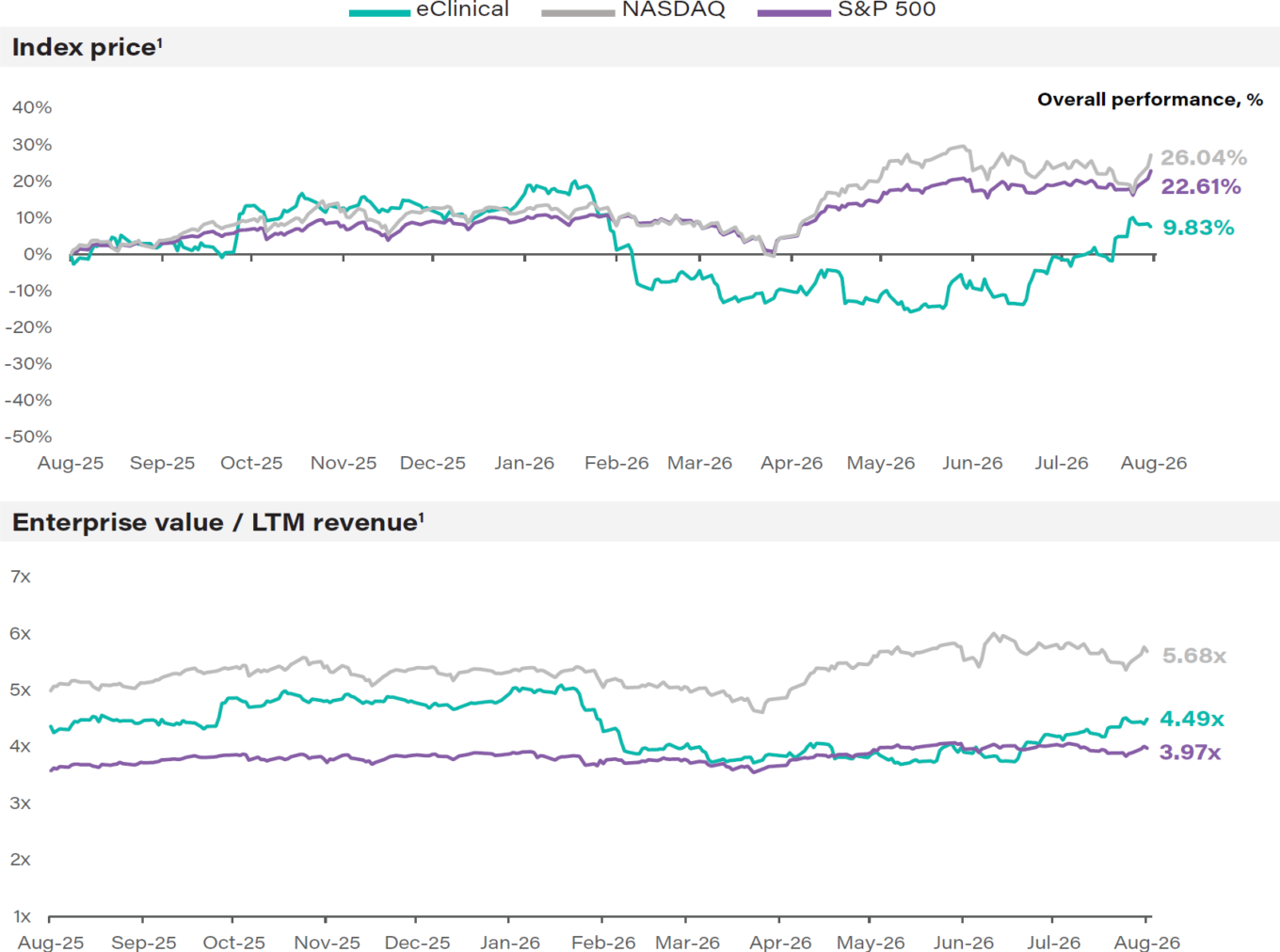
Over the one-year period ended Aug. 6, the First Analysis eClinical Index increased 9.8%. By comparison, the S&P 500 increased 23%, and the Nasdaq rose 26%. The eClinical index has been lagging the major indexes since the beginning of February but has been recovering in the last month.
Seven of the 13 constituent eClinical company stocks appreciated over the period, led by Fortrea (FTRE) with a 190% gain and followed by Median Technologies with a 112% gain. Three companies declined by more than 20%: Ixico, Veeva (VEEV) and Dassault Systemes. With the largest market capitalization in the group, Thermo Fisher Scientific (TMO) contributed 13 points to the index performance with its 56% gain over the period.
Pharma IT eClinical public comparables* ($ in millions)
| Company ($ in millions) | LTM revenue |
Rev growth ’25A–’26E |
Rev growth ’26E–’27E |
LTM gross margin |
LTM EBITDA margin |
EV/rev ’26E |
EV/rev ’27E |
EV/EBITDA¹ ’26E |
EV/EBITDA¹ ’27E |
|---|---|---|---|---|---|---|---|---|---|
| Cambridge Cognition (AIM: COG) | $12.6 | 24.0% | 22.2% | 74.5% | (6.9%) | 1.30x | 1.06x | NMF | 25.7x |
| Certara (CERT) | $421.7 | (9.6%) | 3.4% | 61.6% | 22.3% | 3.59x | 3.47x | 12.21x | 11.38x |
| Cogstate (ASX: CGS) | $56.1 | 17.5% | 19.5% | 56.5% | 23.6% | 4.23x | 3.54x | 14.4x | 10.2x |
| Dassault (ENXTPA: DSY) | $7,151.6 | 2.0% | 6.0% | 84.2% | 27.1% | 4.16x | 3.93x | 11.50x | 10.79x |
| Fortrea (FTRE) | $2,676.5 | (2.2%) | 3.0% | 19.3% | 3.7% | 0.99x | 0.96x | 12.2x | 10.9x |
| Icon (ICLR) | $8,294.4 | (1.6%) | 3.7% | 23.9% | 6.3% | 1.85x | 1.78x | 11.36x | 10.54x |
| Iqvia Holdings (IQV) | $16,983.0 | 6.8% | 6.1% | 33.0% | 17.9% | 3.02x | 2.85x | 13.0x | 12.2x |
| Ixico (AIM: IXI) | $9.8 | 19.4% | 7.9% | 50.8% | (36.7%) | 1.98x | 1.84x | NMF | NMF |
| Median Technologies (EPA: ALMDT) | $27.0 | NA | 31.5% | 17.7% | (60.1%) | 6.41x | 4.87x | NMF | NMF |
| Schrödinger (SDGR) | $259.0 | (6.1%) | 11.0% | 56.9% | (57.0%) | 4.27x | 3.84x | NMF | NMF |
| Simulations Plus (SLP) | $82.1 | 4.7% | 7.8% | 63.4% | 18.3% | 3.90x | 3.62x | 12.6x | 12.8x |
| Thermo Fisher Scientific (TMO) | $46,336.0 | 7.4% | 5.1% | 41.0% | 25.3% | 5.29x | 5.03x | 20.27x | 18.85x |
| Veeva Systems (VEEV) | $3,319.2 | 14.0% | 12.1% | 75.0% | 30.9% | 7.74x | 6.90x | 17.1x | 15.2x |
| Average | $6,586.8 | 6.4% | 10.7% | 50.6% | 1.1% | 3.75x | 3.36x | 13.9x | 13.9x |
| Median | $421.7 | 5.7% | 7.8% | 56.5% | 17.9% | 3.90x | 3.54x | 12.6x | 11.8x |
Source: Capital IQ, First Analysis.
Notes: Public comparable company data shown above is as of Aug. 6, 2026. (1) EBITDA multiples less than 0 and greater than 50 labeled “not meaningful” (NMF). LTM = last 12 months. EBITDA = earnings before interest, taxes, depreciation and amortization.
Valuation multiples increased over the period. The eClinical group’s enterprise value multiple of trailing 12-month revenue increased to 4.5x from 4.4x at the beginning of the period. Looking at forward multiples, the average enterprise value multiple of estimated 2026 revenue was 3.8 with a median of 3.9, up from 3.2 and 2.7 in our February report. For estimated 2027 revenue, the average multiple was 3.4 with a median of 3.5. Revenue growth is projected to accelerate to 10.7% in 2027 from 6.4% in 2026.
In June, private equity firm Altaris announced its intention to acquire eClinical index constituent Simulations Plus (SLP) for $375 million, or about 4.6 times estimated fiscal 2026 (August) revenue.
First Analysis eClinical Index 1-year performance
Source: Capital IQ.
Notes: (1) eClinical index performance is based on market cap weighted constituents. For the period from Aug. 5, 2025, through Aug. 5, 2026.
eClinical M&A: Notable transactions include ArisGlobal and Bio-Techne
We highlight recent pharma IT transactions that reflect continued consolidation among life science tools and platform providers, as acquirers add scale, differentiated technologies and AI-native capabilities across research, regulated operations and the broader therapy life cycle.
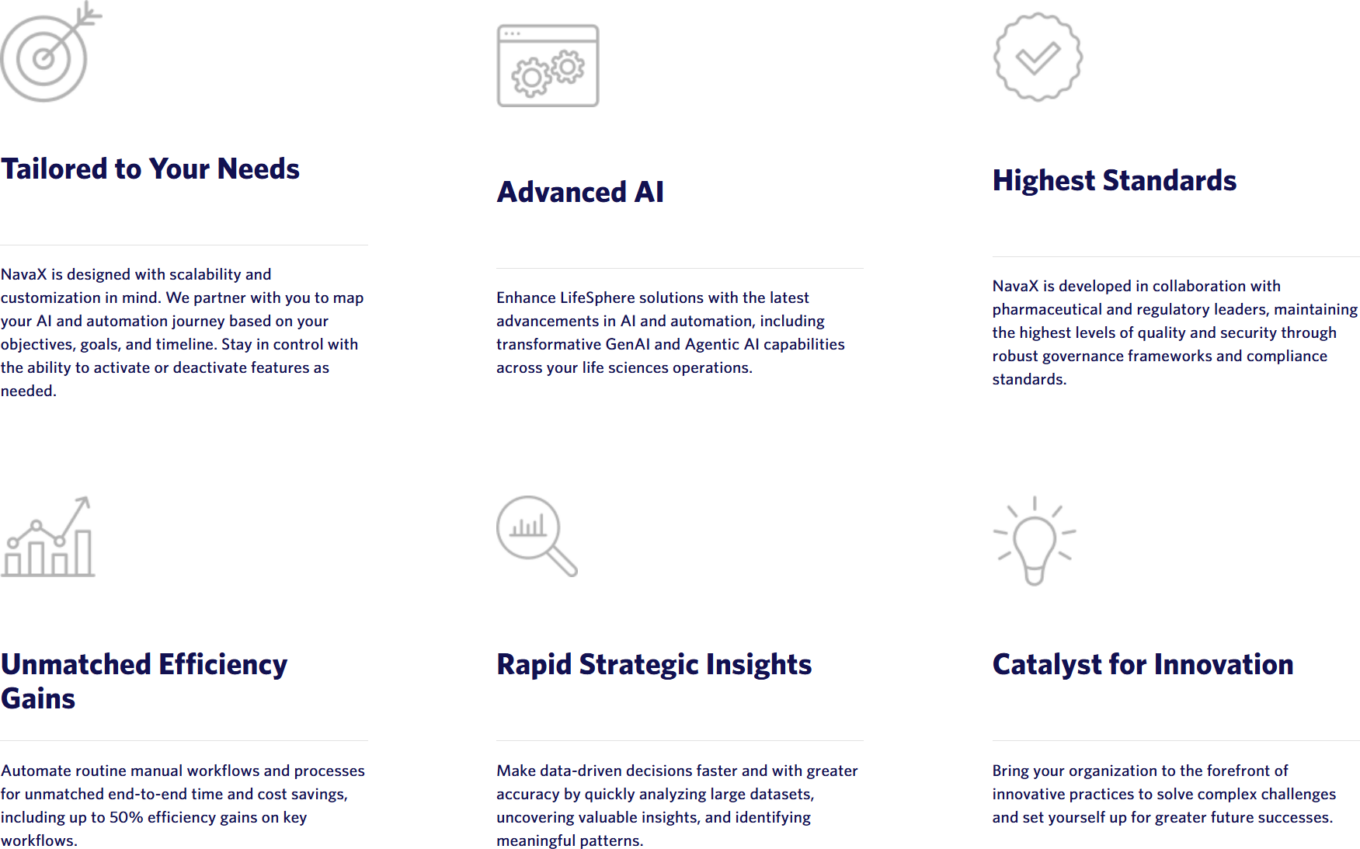
In late July, Dassault Systèmes agreed to acquire ArisGlobal, an AI-native enterprise compliance platform for life science companies, for approximately $1.8 billion in cash at closing plus up to $200 million in additional consideration tied to multi-year AI revenue milestones. The total is 11.4 times estimated 2026 revenue. ArisGlobal serves more than 200 customers, including half of the top 50 global biopharma companies as well as biotech companies, medtech companies, contract research organizations and health authorities. It processes over 12 million patient safety cases each year across pharmacovigilance, medical affairs, regulatory submissions and quality workflows. Its NavaX platform runs clinical-grade AI at production scale within regulated environments, delivering more than 30% productivity gains. The acquisition pairs Dassault Systèmes’ modeling, simulation and virtual-twin expertise across discovery, clinical development and manufacturing with ArisGlobal’s leadership in regulated operations and real-world evidence. Dassault expects the transaction to be accretive to revenue growth and EPS in its first year and to close in the second half of 2026.
Key benefits of NavaX
Source: ArisGlobal.
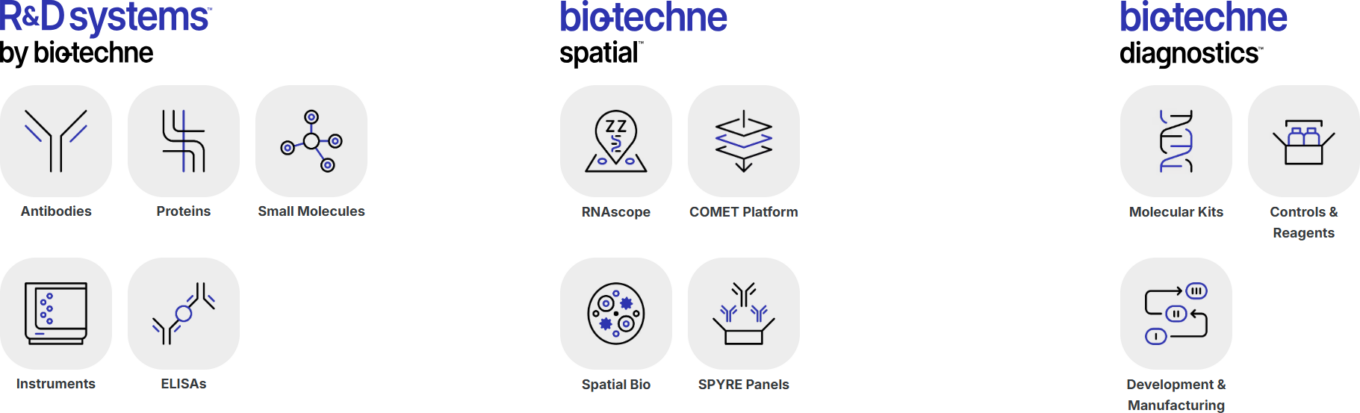
In late June, Merck KGaA agreed to acquire Bio-Techne (TECH) for $73 per share in cash, or about $11.3 billion, a 36% premium to Bio-Techne’s one-month volume-weighted average price prior to the announcement and about 9 times estimated fiscal (June) 2027 revenue. Bio-Techne provides life science tools, analytical technologies and consumables with a focus on recombinant proteins. The acquisition is expected to strengthen Merck KGaA’s position in high-growth and accelerating areas, including multi-omics, spatial biology, cell and gene therapy, precision diagnostics and advanced research tools, while providing Bio-Techne with access to new channels and customer touchpoints.
Bio-Techne: Enabling discovery across the research continuum
Source: Bio-Techne.
Select recent M&A transactions (sorted by date of announcement, $ in millions)
| Date | Target | Target business description |
Buyer | Enterprise value (EV) | EV/ revenue |
|---|---|---|---|---|---|
| 7/23/2026 | ArisGlobal | Enterprise compliance platform for life science companies supporting pharmacovigilance, regulatory operations, quality management and medical affairs | Dassault Systèmes | $2,000.0 | 11.43x |
| 7/20/2026 | Personalis (PSNL) | Cancer genomics company developing personalized liquid biopsy, tumor profiling and biomarker testing for clinicians and biopharma | Tempus AI (TEM) | $1,500.0 | 23.26x |
| 7/7/2026 | FX2 Virtual | Life sciences commercial services company providing virtual sales, patient reimbursement support and commercial analytics | TJP | Undisclosed | Undisclosed |
| 6/25/2026 | Bio-Techne (TECH) | Life science tools, analytical technologies and consumables with a focus on recombinant proteins | Merck KGaA | $11,300.0 | 9.33x |
| 6/16/2026 | Simulations Plus (SLP) | Drug development software and consulting company providing modeling, simulation, and analytics solutions for pharmaceutical research and clinical development | Altaris | $375.0 | 4.57x |
| 6/6/2026 | Accellix | Biotechnology company providing automated flow cytometry and cell analysis platforms to support cell therapy development, manufacturing, and quality control | bioMérieux | $41.0 | Undisclosed |
| 5/12/2026 | Durin Life Sciences | Biotechnology company developing blood-based diagnostics using biomarkers and AI to detect neurodegenerative diseases | Neurovision Imaging | Undisclosed | Undisclosed |
| 5/7/2026 | PathAI | AI-powered pathology company developing solutions to improve diagnostics, biomarker discovery, and drug development | Roche | $1,050.0 | Undisclosed |
| 4/22/2026 | Celerion | Clinical research and bioanalytical services company providing early-phase trials, pharmacology studies, and laboratory solutions to accelerate drug development | Thomas H. Lee Partners | $1,800.0 | Undisclosed |
| 4/21/2026 | The Contract Network | Clinical trial contracting platform automating contract negotiation, budget review and study startup workflows for research sites, sponsors and CROs | WCG Clinical | Undisclosed | Undisclosed |
| 4/16/2026 | Ametris | Wearable health monitoring company providing activity and sleep tracking devices and research software for clinical studies | Signant Health | Undisclosed | Undisclosed |
| 4/3/2026 | Coefficient Bio | Drug discovery and development platform supporting target identification, research planning, clinical development and regulatory strategy for biopharma companies | Anthropic | $400.0 | Undisclosed |
| 3/9/2026 | Biocare Medical | Pathology technology company developing advanced staining platforms, reagents, and diagnostic tools for cancer research and precision medicine | Agilent Technologies (A) | $950.0 | 10.56x |
Source: Capital IQ, First Analysis.
eClinical private placements: Notable transactions include Chai Discovery and Techcyte
We highlight two recent pharma IT funding events that reflect continued investor appetite for AI-native platforms spanning drug discovery and diagnostic pathology.
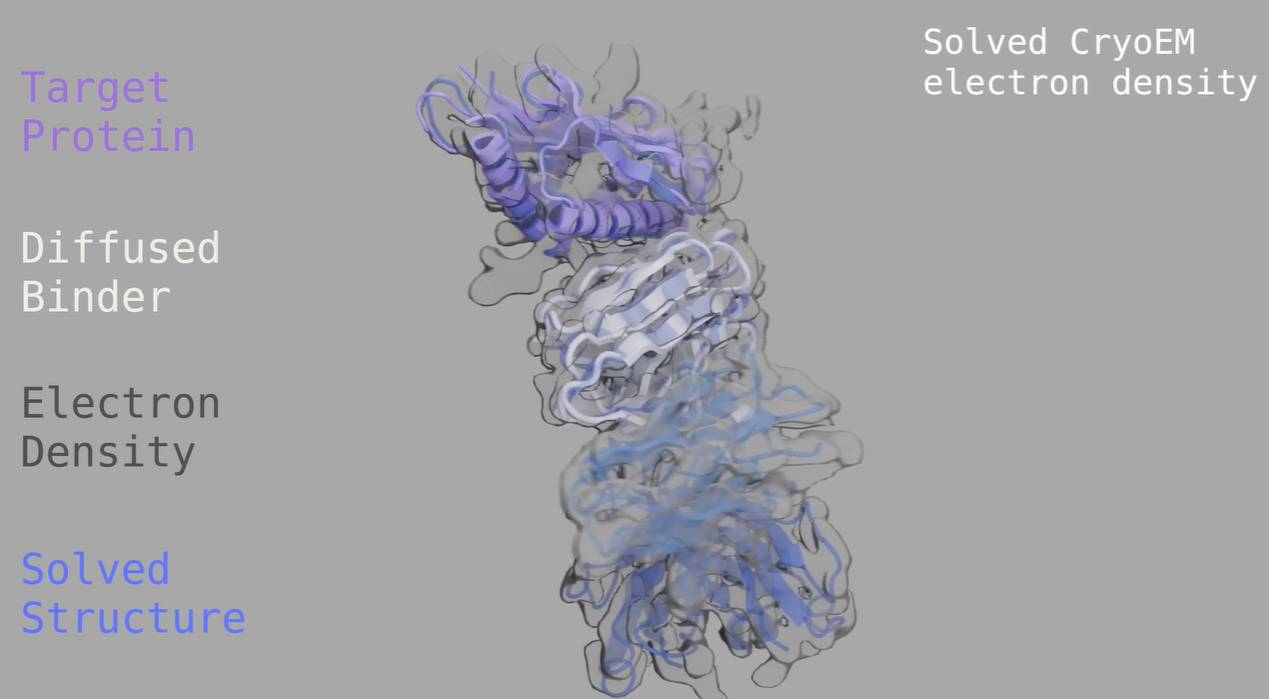
In July, Chai Discovery announced a $400 million Series C investment led by Index Ventures, with participation from Kleiner Perkins, Sequoia Capital, Dimension, and a group of other new and existing investors. The transaction valued the company at $3.8 billion. Chai Discovery builds AI models that predict and reprogram the interactions between molecules to accelerate pre-clinical drug discovery, helping pharmaceutical companies pursue targets that traditional discovery methods have struggled to reach. Its latest model, Chai-3, improves target success rates and binding affinity over its predecessor, the first zero-shot generative platform for fully de novo antibody design to achieve double-digit experimental success rates. The new capital will support continued development of Chai’s models and their deployment across pharmaceutical research and development partnerships as the company scales AI-driven molecular design.
Chai Discovery: Antibody binding applications
Source: Chai Discovery.
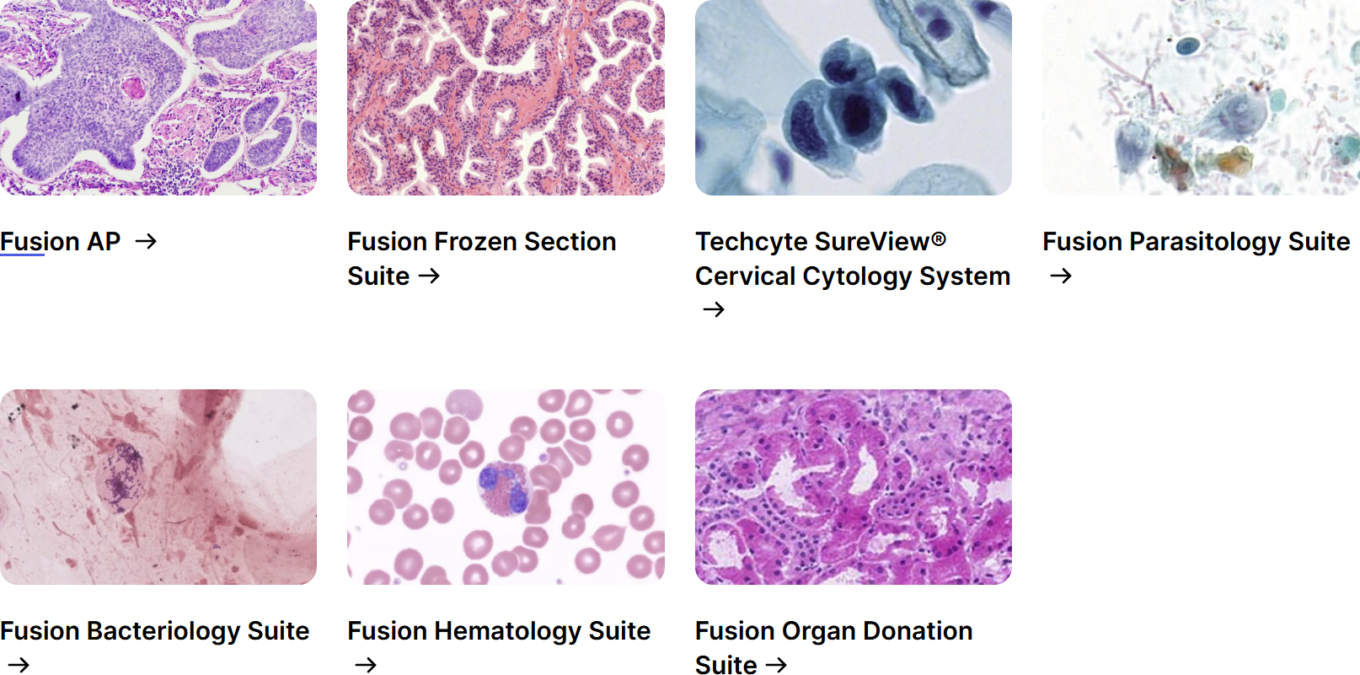
In late April, Techcyte announced a $15 million investment led by Van Tuyl Companies, with participation from existing investors Zoetis and Mayo Clinic. Techcyte provides AI-powered digital diagnostics for anatomic and clinical pathology. Its Fusion platform integrates AI, digitized workflows and interoperability with laboratory systems to streamline case review and standardize diagnostic operations. The transaction also grants Techcyte access to Mayo Clinic’s Safe Harbor dataset of more than 17 million de-identified slides and pathology reports to further train the platform’s AI. Techcyte’s veterinary business is already profitable, and the company expects its environmental and human segments to reach profitability next year, as diagnostic laboratories contend with rising test volumes, constrained resources and workforce shortages.
Techcyte products
Source: Techcyte.
Select recent private placements (sorted by date of announcement, $ in millions)
| Date | Company | Business description |
Investors | Raise type | Amount raised |
Total amount raised |
|---|---|---|---|---|---|---|
| 7/29/2026 | Qureight | AI-powered clinical imaging platform connecting healthcare data, imaging analysis, and precision endpoints to accelerate clinical trials | Ascension Ventures; Canaccord Genuity Wealth Group; Guinness Ventures; Hargreave Hale AIM VCT; Meltwind Advisory; Molten Ventures; XTX Ventures | Series B | $20.0 | $31.1 |
| 7/22/2026 | Cheiron | Life sciences program management platform connecting drug development data, documents, workflows, and regulatory activities in one system | Menlo Ventures | Seed | $8.0 | $12.0 |
| 7/14/2026 | Chai Discovery | AI models that predict and reprogram the interactions between molecules to accelerate pre-clinical drug discovery | Avenir; Avra; Baillie Gifford; Bain Capital Ventures; Battery Ventures; BDT & MSD; Dimension; General Catalyst; Glade Brook; Index Ventures; Kleiner Perkins; Lachy Groom; Menlo Ventures; Oak HC/FT; OpenAI; Sapphire Ventures; Sequoia Capital; Thrive Capital; Yosemite | Series C | $400.0 | $630.3 |
| 7/6/2026 | Katalyze AI | Pharmaceutical operations platform automating manufacturing workflows, quality investigations, and process optimization | Alumni Ventures; Bonfire Ventures; Inovia Capital; Ripple | Seed | $10.5 | $10.5 |
| 6/17/2026 | Gero | AI drug discovery company using physics-based models and human health data to identify therapies for aging and age-related diseases | Melnichek Investments | Growth | $17.0 | $34.0 |
| 6/15/2026 | Dash Bio | Clinical bioanalysis platform connecting AI, automation, and laboratory testing to accelerate drug development | Freestyle Capital; Oak HC/FT; Swift Ventures | Series A | $30.0 | $47.5 |
| 6/2/2026 | Novellia | Patient data company providing real-world health data platforms that unify medical records and enable pharmaceutical research | Spark Capital; Khosla Ventures; Acrew Capital; Bling Capital; TMV | Series A | $18.0 | $28.0 |
| 5/27/2026 | Cypher AI | Life sciences research and development platform providing AI-powered infrastructure to manage experiments, workflows, data analysis, and research operations | Connecticut Innovations; Epsilon Ventures; Liquidmetal Ventures; MaC Venture Capital; Sparta Group | Seed | $2.0 | $2.0 |
| 5/13/2026 | Mirendil | AI research company developing autonomous systems to accelerate drug discovery, biology research, and scientific innovation | A16Z Perennial; Kleiner Perkins; NVIDIA (NVDA) | Seed | $200.0 | $200.0 |
| 5/6/2026 | Modicus Prime | Pharma compliance platform enabling audit-ready AI deployment, governance, and regulatory compliance across life sciences organizations | Frist Cressey Ventures; Silverton Partners; Oncology Ventures | Seed | $4.5 | $8.0 |
| 5/4/2026 | BranchLab | Healthcare commercialization platform using AI to build, optimize, and activate patient and provider audiences for pharma marketing campaigns | AIX Ventures; FCA Venture Partners; McKesson Ventures; Sanofi Ventures | Series A | $28.8 | $28.8 |
| 4/30/2026 | Techcyte | Digital diagnostics for anatomic and clinical pathology | Mayo Clinic; Van Tuyl Companies; Zoetis (ZTS) | Growth | $15.0 | $48.7 |
| 4/29/2026 | AIRA Health | Clinical development platform using AI to support study design, protocol development, regulatory review, and clinical trial workflows | Interactive Venture Partners; Nesprit Ventures Zartkoruen Mukodo Reszvenytarsasag | Pre-Seed | $2.0 | $2.0 |
| 4/2/2026 | Triomics | Oncology AI platform analyzing patient records to improve clinical trial matching, chart review, and cancer care workflows | Battery Ventures; Lightspeed Ventures; Nexus Venture Partners; Oncology Ventures; Precision Health Informatics; Y Combinator | Series B | $22.0 | $37.0 |
| 3/25/2026 | Radical Numerics | AI biotechnology company developing generative genomics models to accelerate drug discovery, gene editing, and biological research | Emergence; Factory HQ; First Spark Ventures; Obvious; Triatomic Capital | Seed | $50.0 | $50.0 |
Source: Capital IQ, First Analysis.
Request full report
To access the full report, please provide your contact information in the form below. Thank you for your interest in First Analysis research.