Streamlining the introduction of new drugs and medical technology
Joseph Munda, Tracy Marshbanks
The costs and risks associated with developing new therapeutics – mainly related to drug trials – continue to increase, a trend that is likely to see additional momentum with the advent of more complex opportunities in orphan treatments and personalized medicine. At the same time, the proliferation of virtual pharma companies means entities without traditional large-scale pharma capabilities are responsible for a greater proportion of the therapeutics pipeline. In the face of these pressures, eClinical solutions, which help minimize drug development costs and improve efficiency by automating and streamlining the clinical trial process, are key to optimizing return on investment in new drug development.
We believe there are roughly 25-30 discrete application steps in the clinical trial workflow process. We identify several highly capable privately held companies that provide software to drug sponsors and contract research organizations (CROs) to automate portions of this process. Large eClinical solutions developers such as Medidata and Oracle account for about 25% of this market; however, many smaller technology providers we profile in this report are having an outsized impact on the direction of the market.
Clinical trial management systems (CTMS) and electronic data capture (EDC) are the most prominent eClinical solutions. With these solutions, sponsors and trial managers are able to better manage increasing data volumes while enabling the speed and flexibility needed to execute on emerging trial concepts that allow sponsors to more effectively pursue commercialization. We see risk-based monitoring (RBM) as the most sizable emerging opportunity for eClinical solutions providers.
Since the results from the first randomized clinical study were published in 1948, clinical trials have become the bedrock of medical research, a key component of the rigorous and stringent approval process employed by the U.S. Food and Drug Administration (FDA) to show that drugs and medical devices have been demonstrated to be safe and effective for their respective indications. A lot has changed since that first study. Pharmaceutical and medical device companies now face a number of challenges to commercializing existing and developing new products, such as competitive pricing pressure, patent expiry, and rising regulatory burdens exacerbated by increases in clinical trial complexity, data volumes, and development costs.
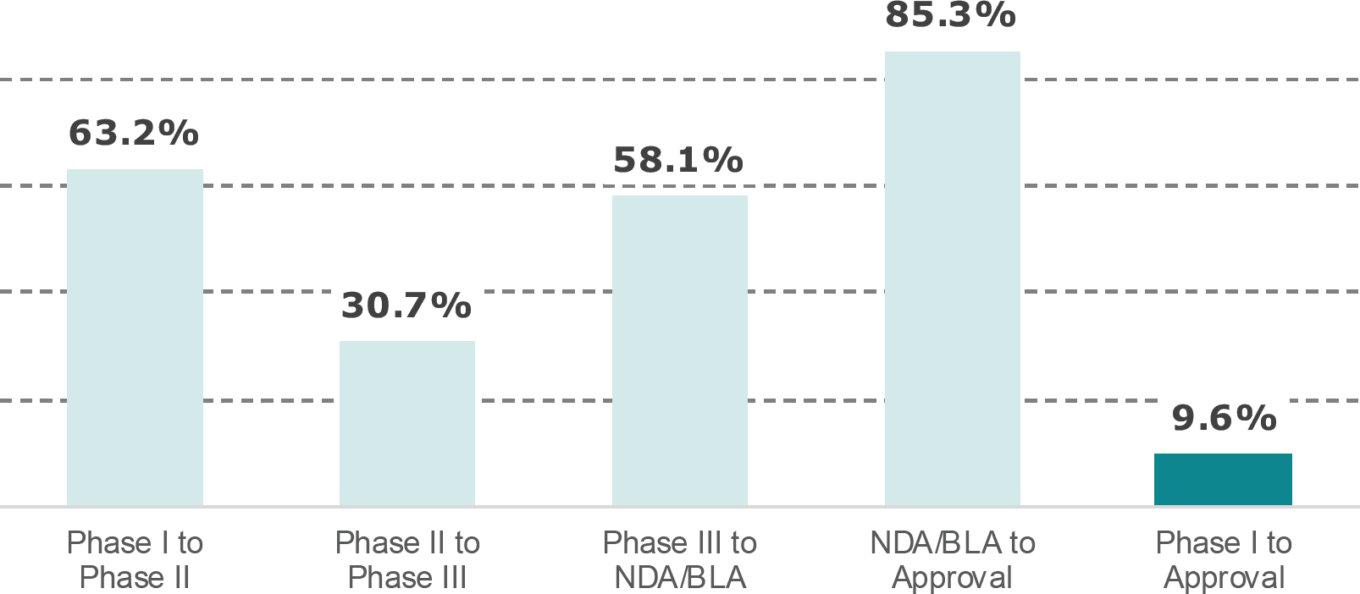
TABLE 1: Likelihood of approval (all diseases, all modalities)
Source: BioMedTracker.
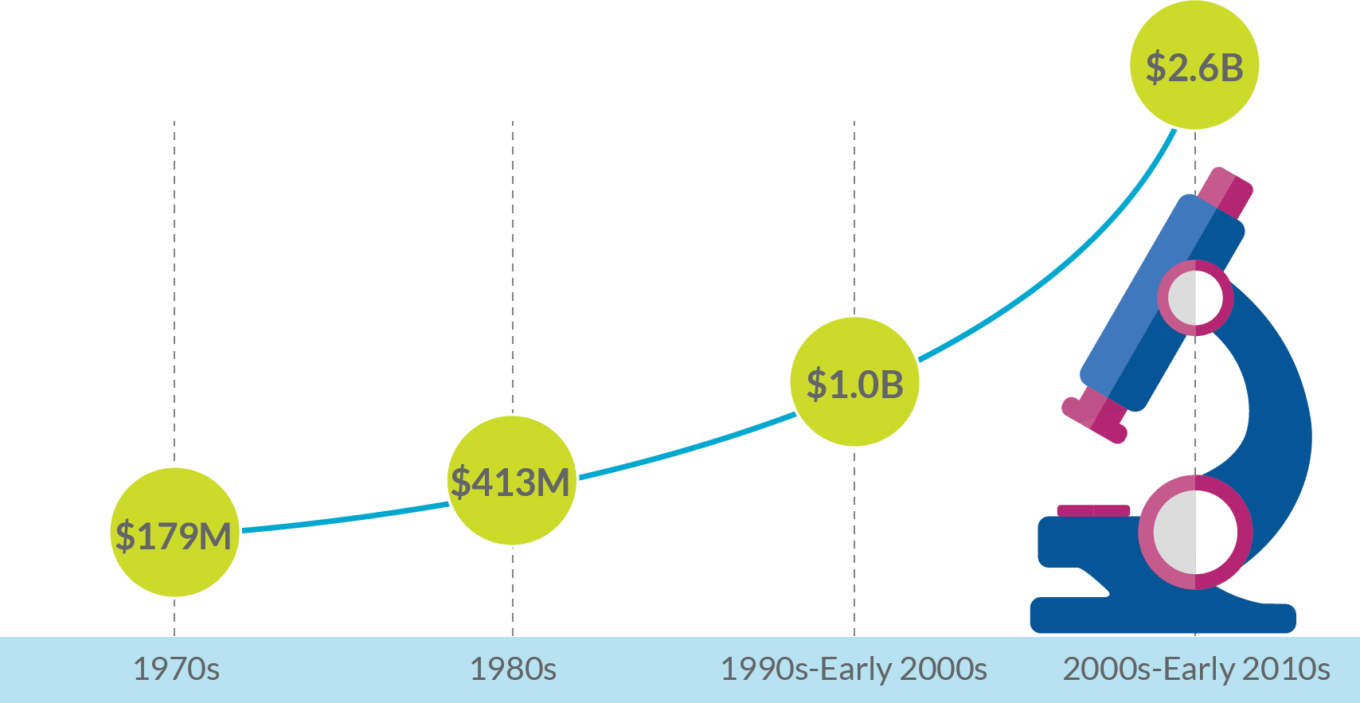
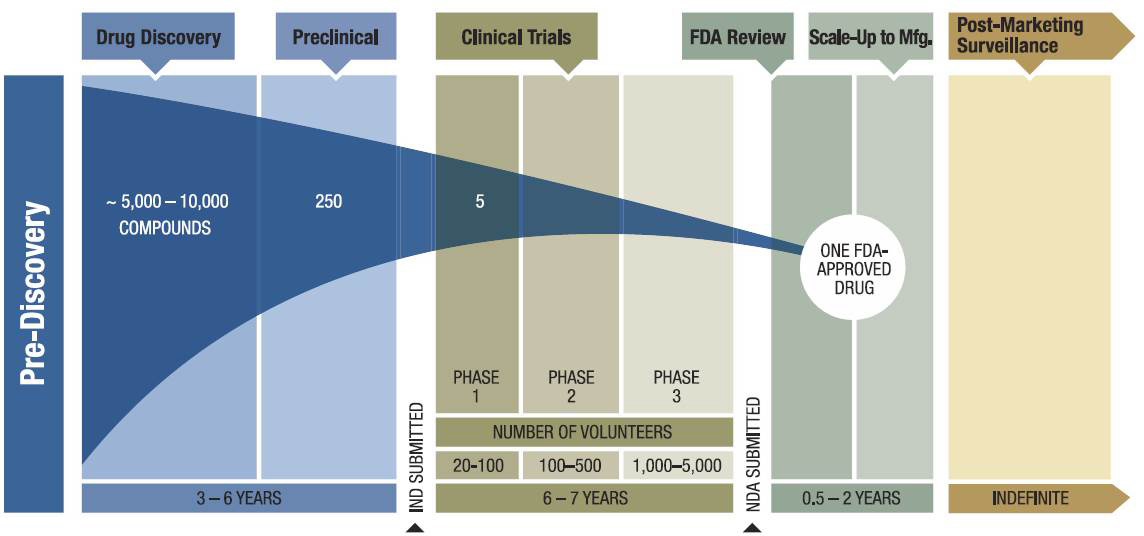
The drug R&D process is inefficient, complex, bureaucratic, and, above all else, expensive. According to the Tufts Center for the Study of Drug Development, it takes an average of $2.6 billion, including cost of failures, and 10-15 years to discover, develop, and win approval for a new drug. Additionally, only one of every 10 drugs that starts trials ends up being approved by the FDA.
Historically, industry stakeholders have been slow to adopt new technologies. In our view, the highly regulated nature of the development and approval of new medicines has resulted in an understandable level of conservatism toward changing processes.
Despite the challenges, sponsors, contract research organizations (CROs), and regulatory agencies worldwide are committed to improving R&D efficiency, most notably by making greater use of technology-enabled software called eClinical solutions. These eClinical solutions are increasingly viewed as being essential to manage trial data requirements, reduce development costs, support faster go/no-go decisions for potential new drug candidates, and increase efficiency throughout the clinical trial process.
TABLE 2: Average cost to develop one new approved drug – including the cost of failures (in constant 2013 dollars)
Source: Biopharmaceuticals In Perspective, Spring 2017, PhRMA.
Running the R&D gauntlet
Although potential drug candidates are screened and assessed early in the R&D process, many compounds still fail to make it through the R&D pipeline as they must navigate a lengthy, complicated, multistep process before being approved by the FDA (or international regulatory agency). Clinical trials are clinical research studies conducted to collect information related to the safety and effectiveness of innovative medical devices and drugs. They are conducted for various diseases and conditions, such as infectious disease, cancer, Alzheimer’s, allergies, and neurological disorders. All new drugs have to go through the phases of a clinical trial before they are approved and prescribed to patients. The process begins with extensive laboratory testing followed by human testing of experimental drugs in animals and human cells, typically conducted in four phases. Each phase is considered a separate trial, and after completion of a phase, the investigators are required to submit data for approval from the regulatory body before continuing to the next phase. We describe the key elements of the process below.
Discovery and preclinical testing
Prior to testing in humans, a new drug candidate is considered to be a preclinical or discovery (rather than a developmental) project. The focus of preclinical testing is to determine whether the candidate is safe enough to use in humans and whether it exhibits sufficient pharmacological activity or response to warrant further investigation. If the candidate meets these criteria, the sponsor files an investigational new drug (IND) application with the FDA to permit testing in humans. The IND includes data from preclinical testing and any prior experience in humans (e.g., from foreign use), manufacturing information, and detailed protocols for proposed clinical trials. An IND automatically becomes effective 30 days after receipt by the FDA, unless the FDA raises concerns relating to proposed clinical trials within the 30-day time period, in which case the FDA’s concerns must be addressed before clinical trials can commence. Before clinical trials can begin at a study site, the site’s Institutional Review Board (IRB), an independent expert body charged with protecting patient safety and privacy, must give its approval separately from the IND submission.
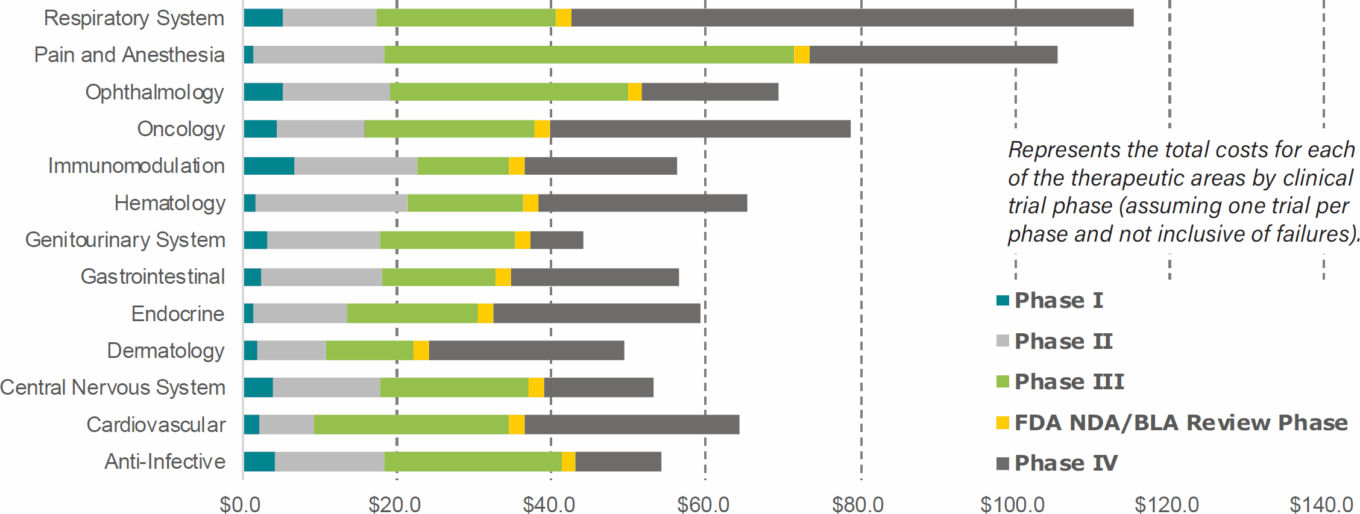
TABLE 3: Clinical trial costs by phase and therapeutic area (dollars in millions)
Source: FDA.
Human clinical testing
Phase I clinical trials are conducted in a small number of human volunteers (typically fewer than 100) to determine the safety, tolerability, and pharmacokinetics and pharmacodynamics of the drug – how the drug acts in the body and the relationship between the drug’s chemical structure and its effects on patients.
Phase II clinical trials are conducted with patient volunteers to assess the efficacy and dosage response of the drug candidate. Phase II trials typically enroll 100-500 patients and identify common, short-term drug treatment side effects. Drug candidates that are shown to be both safe and efficacious in Phase I and II clinical testing move forward and are next tested in larger randomized, controlled trials.
Phase III clinical trials enroll 1,000-5,000 patients (or more) across numerous clinical trial sites. From enrollment to completion, Phase III trials may take years to complete. Regulatory authorities in the U.S. and internationally typically require positive data from two Phase III trials to support and justify a submission for market approval.
Regulatory review and approval. If the trials prove successful, the data collected from both the preclinical studies and clinical trials are submitted to the FDA for review in the form of a new drug application (NDA) or biologic license application (BLA). These applications include a large amount of data and are often over 100,000 pages in length. Scientists at the FDA carefully review all the data from the studies and, after weighing the safety, efficacy, benefits, and risks of the potential candidate, decide whether or not to grant approval. There are strict protocols and regulations that govern the submission process, and failure to abide by any of them can be grounds for denial. If the candidate is ultimately approved, the sponsor may market it for the approved indication(s).
TABLE 4: Drug discovery and development timeline
Source: American Association of Cancer Research 2011 Cancer Progress Report.
Post-approval research and monitoring
Research does not end when the discovery and development phases are over and the product is on the market. Sponsors conduct extensive post-approval research to monitor safety and long-term side effects on patients using the drug. The FDA requires that sponsors monitor a drug for as long as it stays on the market and submit periodic reports on safety issues. Sponsors must report any adverse events that patients or healthcare providers report from use of the medicine.
Phase IV clinical trials are often conducted to test the long-term safety and efficacy of approved drugs and may be required by the FDA as a condition of approval. Additionally, sponsors may conduct post-approval studies to assess the benefits of a medicine for different populations or in other disease areas. In some cases, they may also develop improved delivery methods or dosage forms. Phase IV trials improve researchers’ and clinicians’ understanding of a drug’s potential uses and its full benefits for health and quality of life. This phase of continued research can help identify whether a drug has a greater impact on an outcome when it is used earlier in a disease, in combination with other drugs, for other disease indications, or with specific biomarkers.
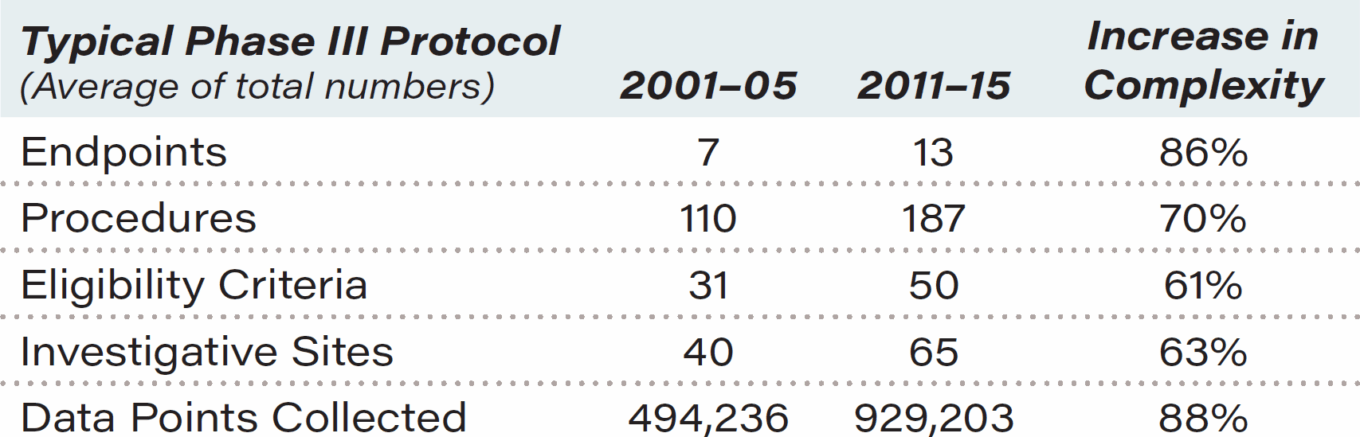
TABLE 5: Clinical trial complexity: then & now
Source: Getz KA, Campo RA.
It’s a marathon not a race
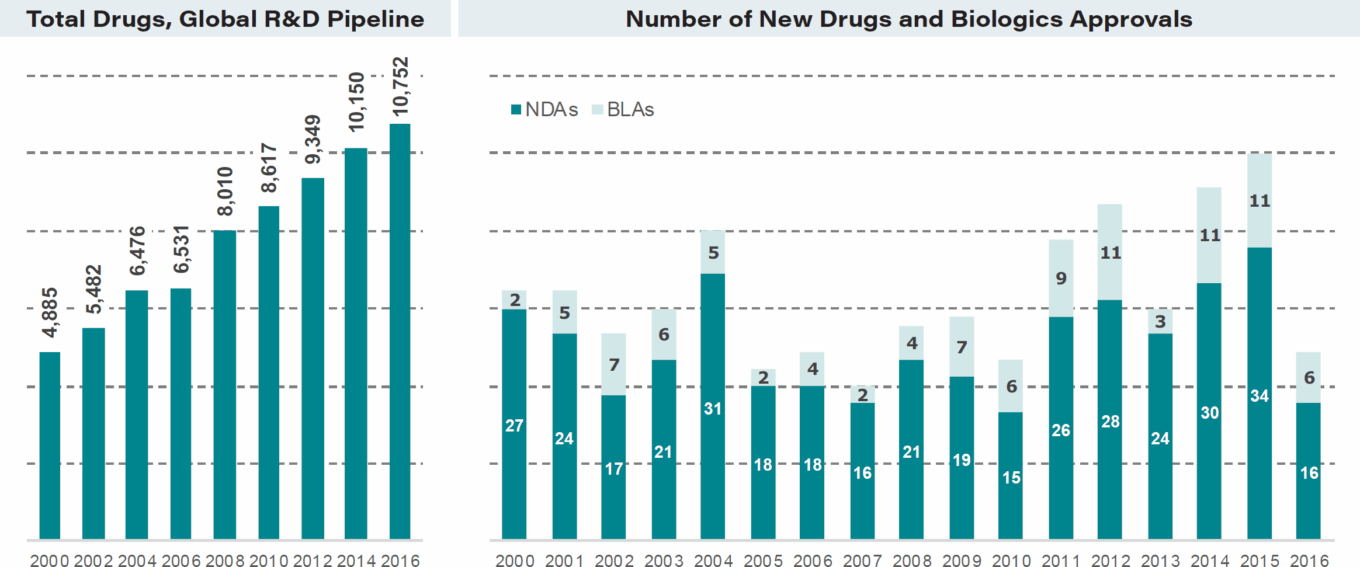
Scientific and technological advances and a growing understanding of disease continue to fuel the development of new treatments for patients. ClinicalTrials.gov, which represents ~75% of clinical trials globally, shows a steadily increasing number of new clinical trials registered year-over-year for the last two decades. In the past 10 years, there has been an average of ~17,000 new registered trials annually, with higher numbers in the last five years. At the same time, the costs, time, and complexities of R&D have also increased, introducing additional challenges to the process.
According to EvaluatePharma, worldwide pharmaceutical R&D totaled ~$157 billion in 2016 and is expected to grow at a 2-3% annual rate through 2022. Of this amount, we estimate the clinical development spend (Phases I-IV) to be ~$60 billion. In our view, R&D spend will be driven by several factors, including major pharmaceutical companies’ efforts to replenish an estimated $194 billion in revenue at risk between 2017 and 2022 from a so-called “patent cliff,” a solid fundraising environment, increased access to capital by the small and mid-sized drug sponsors, and recent new drug and biologics approvals.
According to a recent study by KPMG, within the pharmaceutical industry the return on R&D expenditure has fallen from an industry average of approximately 20% in the late 1990s to just 10% today, while industry data shows clinical trial costs are growing across all development phases and multiple therapeutic areas. The combined impact of declining R&D productivity and increased trial costs has led to margin pressure across the industry.
TABLE 6: Current state of clinical: growing pipeline of innovation
Source: FDA, Veeva.
Given their desire to maximize efficiency and global market penetration to achieve higher potential returns on their R&D expenditures, sponsors are increasingly pursuing simultaneous new drug submissions and approvals in multiple countries. However, most small to mid-sized pharmaceutical companies do not possess the bandwidth to do so. In addition, establishing and maintaining a proprietary global infrastructure to pursue multiple regulatory approvals in different therapeutic categories and jurisdictions can be costly as regulatory authorities worldwide are requiring greater amounts of trial and safety data to support and justify approval.
In the search for savings, the industry approach has been to outsource a greater portion of R&D to independent services providers, specifically CROs, who provide specialized services designed to generate high-quality and timely data in support of regulatory approvals as well as support of post-approval regulatory requirements. We estimate CROs currently manage ~45% of the industry’s clinical development spend (growing ~7% annually).
TABLE 7: ~$4.6B eClinical solutions market
Source: Company reports, First Analysis estimates.
Clinical trial data is a key corporate asset, providing evidence of efficacy and safety as well as a drug’s potential economic value to the market. We think sponsors and CROs will continue to identify and deliver new ways to drive the next phase of efficiency, which we feel will increase the adoption of electronic data collection via eClinical solutions. We expect the ~$4.6 billion spent on eClinical solutions in 2016 to continue to grow by 12% annually for the next five years.
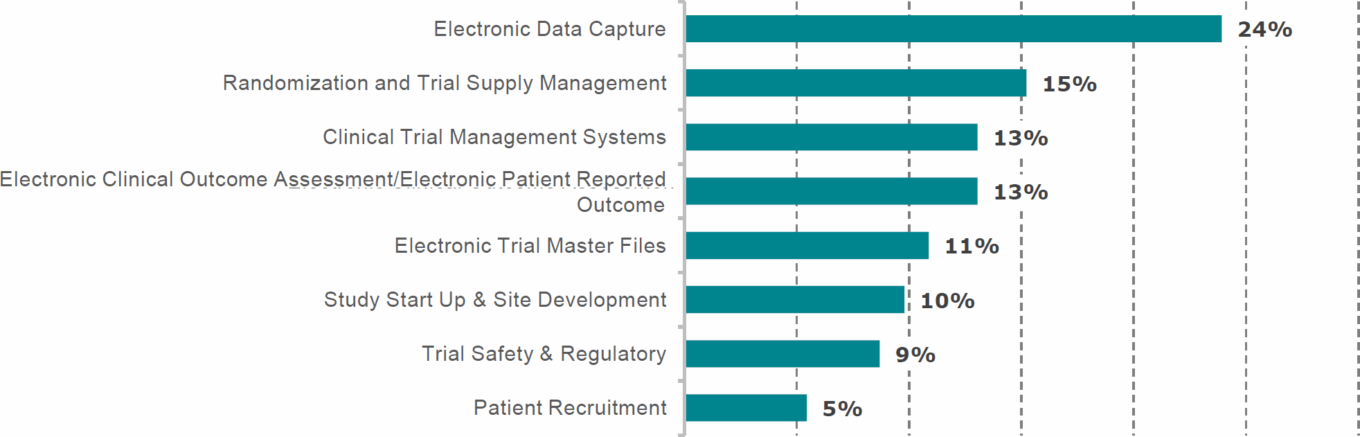
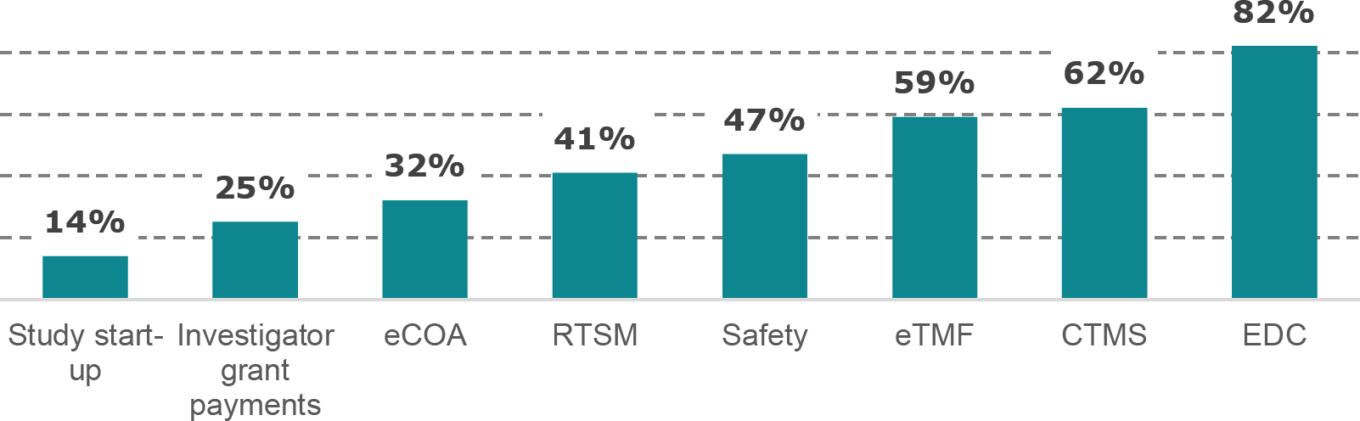
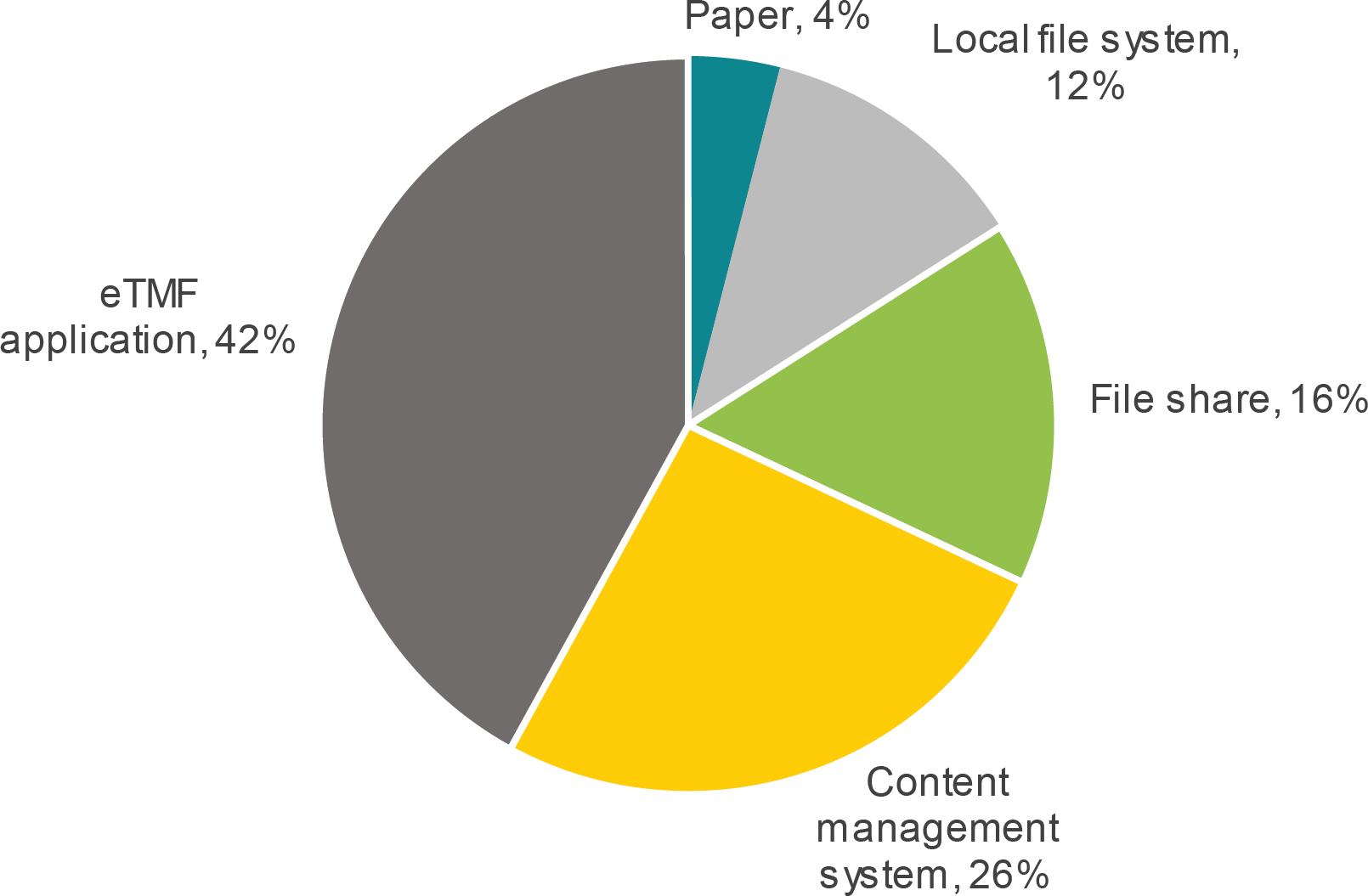
TABLE 8: Applications used to manage clinical studies (base: total respondents, n=300)
eClinical solutions providers by and large have taken one of two approaches to drive adoption: They either focus on delivering a technology/software solution or delivering a technology-enabled service offering.
Companies like Medidata Solutions, Oracle, and Veeva Systems are offering unified and integrated eClinical solution suites that are geared to improve compliance processes and trial efficiency across the R&D value chain.
A second group of providers, such as Bioclinica and CRF Health, take a more focused approach, leveraging deep expertise in specific aspects or functions of the clinical trial process.
Founded in 1990 and headquartered in Doylestown, Pa., Bioclinica is a global provider of specialized clinical trial management solutions and services. The company’s cloud-based solutions include medical imaging, cardiac safety, clinical adjudication, randomization and trial supply management and optimization, electronic and eSource data capture, site payments and forecasting, pharmacovigilance, trial management, and risk-based monitoring solutions. In addition, Bioclinica offers an integrated App xChange, which extends Bioclinica’s platform through interoperable solutions from partners, a global network of research sites, patient recruitment services, and post-approval research expertise to provide committed, detail-focused service through all stages of drug development. The company supports over 17,000 clinical trial sites in 90 countries and serves more than 400 pharmaceutical, biotechnology, and device organizations – including all of the top 20 biopharmaceutical companies and leading contract research organizations (CROs) – through a network of offices in the U.S., Europe, and Asia.
In 2013, private equity firm JLL Partners acquired Bioclinica, which at the time was a publicly traded company, for an equity value of $123 million (EV/EBITDA of 8x) and then merged the business with medical-imaging company CoreLab Partners. In 2014, Bioclinica merged with CCBR-Synarc, a clinical trial services provider backed by Water Street Healthcare Partners. In 2016, Water Street and JLL Partners sold Bioclinica to its current owner, Cinven, a European private equity firm, for $1.4 billion (EV/EBITDA of 14x).
In our view, both models offer benefits, but no single provider can address the many different needs and challenges of every organization. Some customers will value an enterprise-wide eClinical model that integrates across departments and functions. Other stakeholders will require scientific expertise, service support, and deep functionality for specific applications and activities in their value chain.
Collecting and managing clinical data
eClinical solutions are a combination of technology, applications, and services that work together to help automate the data collection and management of clinical trials with the goal of replacing manual and paper-driven methods. eClinical solutions have become essential industry tools used to manage data requirements, reduce development costs, support faster decisions for potential new products, and increase efficiency throughout the clinical trial process.
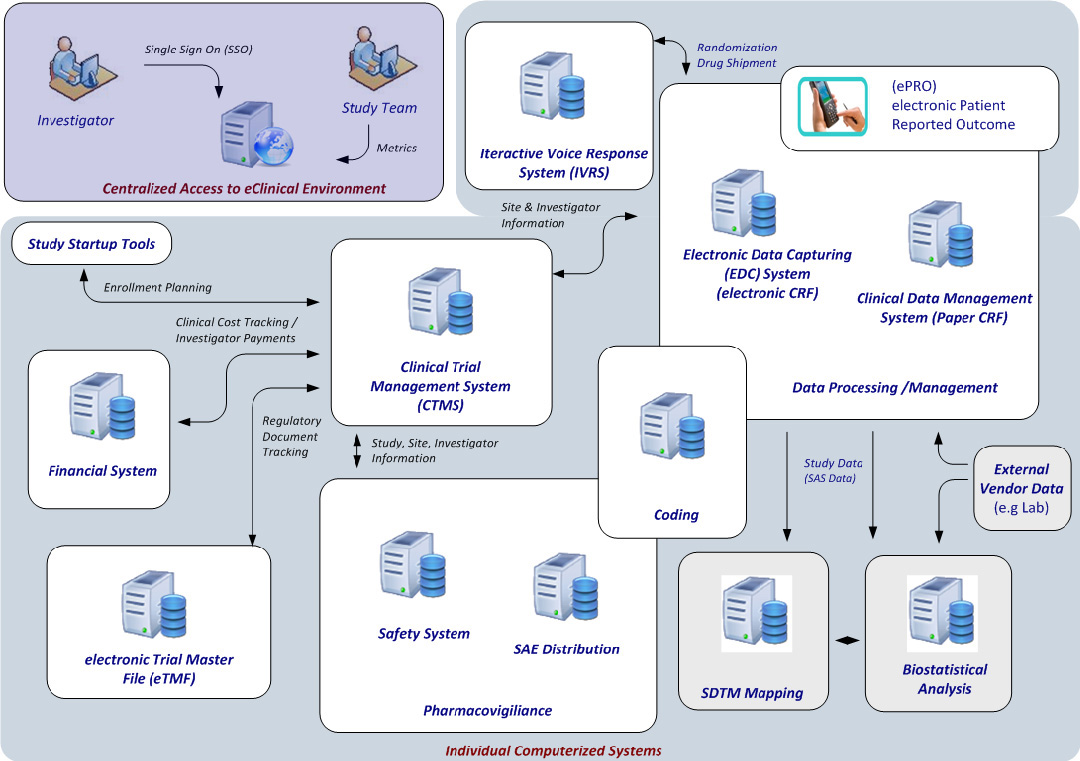
eClinical solutions are of different types and are segmented on the basis of product and application. Following our conversations with industry participants, we believe there are ~25-30 different types of solutions used in the trial workflow starting in the clinical stage and up to regulatory submission. The core workflow solutions used include clinical data management systems (CDMS) with electronic data capture (EDC), clinical trial management systems (CTMS), randomization and trial supply management systems (RTSM), electronic clinical outcome assessment (ECOA), and electronic trial master files (eTMF).
TABLE 9: High-level workflow for a clinical trial
Source: Parexel.
The use of eClinical solutions in clinical trials must be done in compliance with regulations and regulatory guidance known as good clinical practices (GCPs) as well as with guidance from the FDA, foreign governments, and non-governmental organizations such as the International Conference on Harmonisation (ICH). In the U.S., the FDA’s first guidance for the use of EDC in clinical trials was issued in 1997 in 21 CFR Part 11. Ever since then, to keep up with the evolving electronic data world, the FDA has provided additional guidance to address topics ranging from responsibilities for monitoring, electronic submissions, electronic signatures, and system validation. Industry regulation coupled with technological advances has led to the birth of a new subset of specialized applications used during the trial process such as risk-based monitoring, eSource, and study start-up.
Based on the mode of delivery, the eClinical solutions market is divided into three segments – the licensed enterprise/on-premise model, the web-hosted model, and the cloud-based model.
The on-premise model is the traditional mode of software implementation and historically was the most preferred and common mode of delivery. In this model, end-users purchase the software licensing based on their organizational needs and determine how it will be implemented and maintained. This model demands certain infrastructure requirements at the customer location or premise, and the applications are installed in such a way that they can be accessed at the specific premise only.
Web-based eClinical solutions are available to CROs, trial sites, and sponsors. This hosted model offers improved performance and reliability by avoiding long deployment cycles. It also minimizes upfront investment, eliminating the need to incur high infrastructure costs.
Cloud/software-as-a-service (SaaS) is a more recent delivery mode. In this model, the cloud vendor offers a cloud-based server to customers in a subscription-based or pay-as-you-go pricing model. Cloud offerings by these service vendors are mainly in the form of three deployment models – public cloud, private cloud, and hybrid cloud. Cloud-based systems are ideal for complex, multisite clinical studies because all information (study protocols, patient data, images, outcomes, etc.) is stored in a central location and maintained by a third-party service provider. The data can be input from any type of Web-based device, including smartphones and tablets for easy patient reporting, and is automatically updated and collated for more rapid and efficient data monitoring.
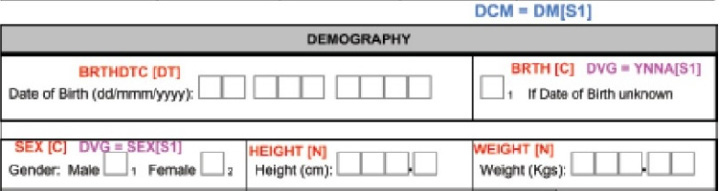
TABLE 10: Annotated sample of an eCRF
Source: Indian Journal of Pharmacology, 2012.
Clinical data management systems (CDMSs)
Perhaps the most important part of an eClinical solution is its clinical data management system (CDMS). CDMS is a tool used in clinical research to store and manage the data of a clinical trial. The clinical trial data gathered at the investigator site in the case report form (CRF) is stored in the CDMS. Just as a clinical trial is designed to answer the research question, the CDMS is designed to deliver an error-free, valid, and statistically sound database. To meet this objective, the clinical data management process starts early, even before the finalization of the study protocol, and employs various means to verify data. The CDMS can be broadly divided into paper-based and EDC systems. In response to the increasing demand from pharmaceutical companies to speed up the drug development process and that of regulatory authorities for systems in place to ensure generation of high-quality data for accurate evaluation, there has been a gradual shift from the paper-based systems of data management to EDC systems.
Founded in 2005 and based in San Francisco, Medrio is a venture-backed eClinical solutions provider delivering simple, fast, and affordable tools used in all clinical trial phases and therapeutic areas. Serving 500+ customers globally, Medrio is known as a leader in electronic data capture (EDC), assisting study sponsors and CROs to rapidly collect clinical trial data. The company’s CloudEDC technology features an easy-to-use drag-and-drop interface, allowing studies to be built in days instead of months, and has been used in over 2,000 clinical trials worldwide. In May 2017, the company received a $30 million equity investment from Questa Capital Management, a venture capital firm focused on investing in growth-stage healthcare companies. The investment marks Medrio’s first infusion of institutional capital in its 12-year history and will be used to accelerate the deployment of Medrio’s new software applications, eSource, ePRO, and eConsent, which should strengthen its competitive position in the industry.
An EDC system is composed of web-based software designed for the collection of clinical trial data in an electronic format. Data is typically recorded first on paper documents before being transcribed into the system and saved in an eCRF. An eCRF is an electronic report used to collect data on each patient participating in a clinical trial. Currently, the majority of data collected in an EDC system is primarily related to managing eCRF data.
EDC, which has become the most widely used clinical trial technology, started to gain adoption in the late 1990s as a result of the Internet and the advent of web-based software that could be accessed with existing computers. By 2013, ~75% of new trials were conducted using an EDC system. Currently, we estimate the figure to be closer to ~85%- 90%.
Headquartered in Madison, Wis., Forte Research provides eClinical solutions to over half of all National Cancer Institute-designated cancer centers and over 20% of National Institutes of Health-funded clinical and translational science awardee organizations, in addition to numerous academic medical centers, healthcare systems, and research sites throughout the United States. We note most clinical trial management systems (CTMS) solutions being used today are built around the needs of sponsors and contract research organizations (CROs), not around the workflow of the site. Trial sites like cancer centers, academic medical centers, and health systems manage hundreds of protocols in an environment with limited resources that tends to lack visibility and effective communication. Addressing this dynamic, Forte Research’s OnCore CTMS focuses on site-specific needs by providing clinical research management, billing compliance, biospecimen management, and patient registries management functionality. The privately held company was founded in 2015 and lists Primus Capital as one of its investors.
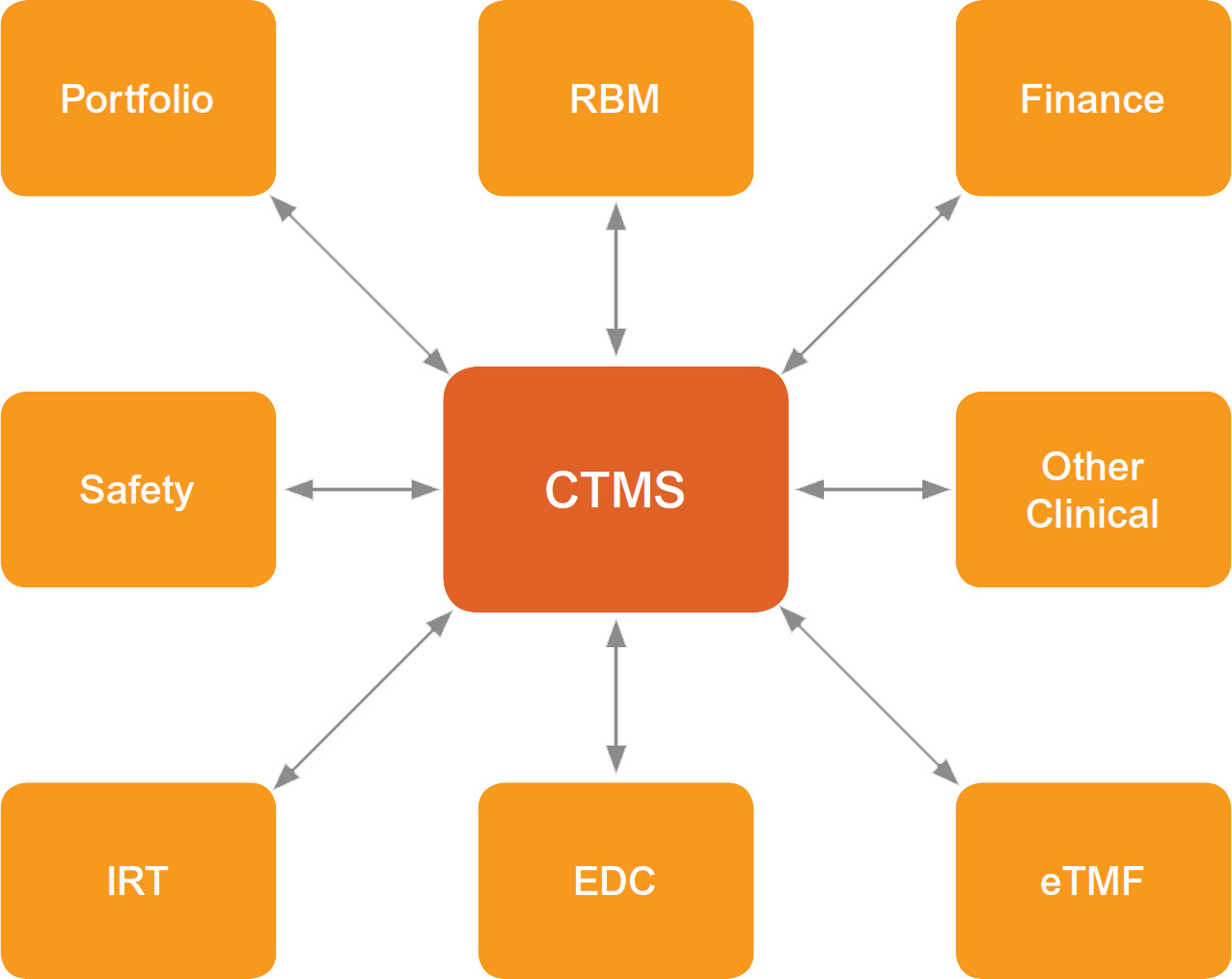
Source: Veeva Systems.
EDC vendors are continually developing new enhancements to keep up with changes in the industry, but there is some common functionality found in every system such as:
A graphical user interface component for data entry
Unique and secure user permissions within the system
A query management component to check user data
A reporting tool for analysis of the collected data
There are three primary categories of users – sites, sponsors, and CROs:
Sites. A site refers to the entity that coordinates and collects data from the clinical trial patients, or subjects, usually a hospital or clinic. Nurses or other designated study coordinators employed by the site will typically be tasked with entering data into the study’s EDC system. The site’s investigator – the physician in charge of the patient’s care and patient’s data – is responsible for reviewing and electronically signing the data.
Sponsor. The sponsor of a clinical trial is the organization that “owns” the trial. Sponsors may employ a variety of people who use the EDC system in various roles such as monitors working on behalf of the sponsor that visit the client sites to review data source documents and verify the accuracy of corresponding data in the EDC system; biostatisticians who help plan for and analyze data collected; and data managers who ensure the trial data is clean and usable. All users may submit requests for information (called queries) to the sites to clarify and resolve data issues.
CROs. Contract research organizations are entities that contract with sponsors to facilitate the planning and conduct of a clinical trial. In some trials, CROs may effectively operate the trial on behalf of the sponsor. In other trials, they will only take on some of the key roles such as data management, monitoring, or analysis.
Although some in the industry expect electronic medical records (EMRs) to replace EDC systems in the next couple of years, as some of the data that is routinely collected in the course of clinical trials overlaps with data collected for the purposes of clinical care, we expect EDC and EMRs to continue to coexist as two separate systems due to the lack of standard nomenclature used across both clinical care and clinical research as well as concerns that information in the EMR often provides an incomplete picture.
We estimate Medidata holds ~30% share of the EDC market with Oracle at ~25%. Medidata has the leading EDC in the space, Rave, despite competition from numerous competitors, including Parexel’s DataLabs, Bioclinica’s Express system, Medrio’s CloudEDC, and Veeva’s recently launched Vault EDC.
Clinical trial management system (CTMS) solutions
As the design, planning, and execution of clinical trials become more complicated, a CTMS can improve the management of the drug development process by providing a single, centralized system to manage operational and administrative activities and a real-time view of trial data that can be shared across entire organizations. Prior to the implementation of CTMS solutions, companies were heavily dependent on the use of spreadsheets, email, Word documents, etc., to manage clinical trial operations. Until recently, the role of CTMS was considered to be mainly a transactional one rather than that of a decision-support system. According to Veeva, over the next few years, industry stakeholders are expected to increase their CTMS investments by ~15% annually due to rising demand for data and site collection solutions and the availability of new applications. Oracle’s Siebel CTMS Cloud Service, Parexel’s Perceptive MyTrials, Bioclinica’s OnPoint CTMS, and Medidata CTMS are considered the leaders in this category but are witnessing competition at the site level from Bio-Optronics’ Clinical Conductor CTMS and Forte Research’s OnCore CTMS.
Headquartered in Pleasanton, Calif., Veeva Systems is a leader in CRM and eClinical software for the global life sciences industry. The company’s Vault Clinical Suite is a cloud platform that combines EDC, eSource, CTMS, eTMF, study startup, and site document exchange to unify clinical data management and clinical operations. Veeva’s suite of clinical applications is built on the Veeva Vault Platform, a unique content management platform with the capability to manage both content and data, eliminating system silos and streamlining end-to-end clinical trial processes. Eight of the top 20 pharmaceutical companies and 150+ customers use its Vault Clinical Suite. Veeva was founded in 2007 and had raised just $7 million prior to its IPO, with $4 million coming from Emergence Capital Partners. The company became public in 2013, raising ~$217 million.
Clinical program/project management. Enables oversight of related clinical trials per therapeutic area based on a set of specific clinical project activities (i.e., tracking actual vs. target). Includes the ability to track progress at specific trial and program levels.
Trial and site planning. Facilitates investigator and site identification and recruitment, including key trial milestone tracking such as target site/enrollment metrics for each study country.
Site and subject management. Provides tracking ability for site monitoring, subject enrollment relative to plan, and CRF/eCRF completion status. Includes management of site visits/trip reports.
Study management. Tracks key information such as eCRF collection, clinical research associate (CRA) monitoring frequency, protocol visit frequency, and adherence to regimens.
Investigator management. Allows the trial sponsor to manage relationships with investigators, based on visibility into the status study data and related status with CROs and/or investigator sites. Also tracks approvals by institutional review boards (IRBs) and independent ethics committees (IECs).
Study financials and investigator grants and payment management. Supports financial management including tracking study costs, reimbursing investigators, and paying claims related to study activities. Includes grant payment management and management of financial disclosure.
Clinical trial performance and reporting. Provides dashboards to communicate trial performance against targets as well as other operational reports.
Electronic trial master files (eTMFs)
eTMFs are among the applications most frequently used to manage clinical studies, after EDC and CTMS. An eTMF is a formalized means of organizing and storing essential documents, images, and other digital content for clinical trials that may be required for compliance with regulatory agencies like the FDA. Essential documents are those that individually and collectively permit evaluation of the conduct of a trial and the quality of the data produced. These documents demonstrate the compliance of the investigator, sponsor, and monitor with the standards of GCP and with all applicable regulatory requirements. They are also subject to inspection by the regulatory authorities at any time during and after the study is completed and submitted for product approval. This is the same for drugs, biologics, and devices. An eTMF system encompasses strategies, methods, and tools used throughout the lifecycle of the clinical trial regulated content. Leading eTMF solution providers include Veeva, Wingspan Technology (an IQVIA company), and Phlexglobal.
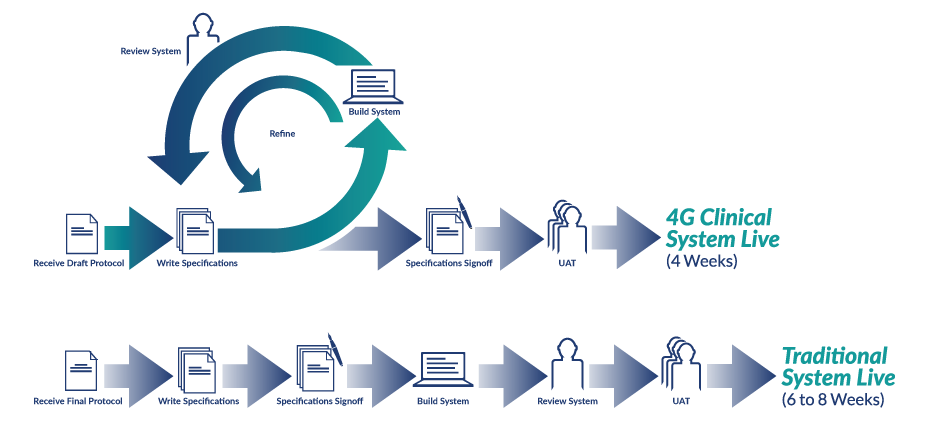
Venture-backed and founded in 2015, Wellesley, Mass.-based 4G Clinical provides randomization and trial supply management (RTSM) software focused on facilitating the work of assigning patients to treatment groups, managing clinical supply, and dispensing medicines used in trials. Through its agile RTSM platform called Prancer, the company uses natural language processing alongside integrated clinical supplies forecasting and management functionality to slash development timelines and increase operational efficiencies. Prancer radically changes the process for building clinical systems, removes the burden of managing hundreds of poorly understood parameters controlling supply forecasting, accelerates study start-up, and enhances visibility into trials for informed decision-making. Founder and CTO Ed Tourtellotte ran Tourtellotte Solutions, an interactive response technology (IRT) solutions company, for 11 years before accepting a buyout bid from Bioclinica in 2009. Other 4G senior management includes co-founder CEO Dave Kelleher, COO Christine Hurley, and head of engineering Cedric Druck. The company was recently named one of the top 20 most promising pharma and life science technology providers of 2017 by CIOReview. According to CapIQ, the company has raised ~$7.5 million from Boston-based private investment firm Schooner Capital.
Source: 4G Clinical.
Randomization and trial supply management (RTSM)
Randomization and trial supply management (RTSM) software systems are responsible for enabling critical functions of a clinical trial, from randomizing patients (who gets the active drug vs. the placebo), to dispensing drugs (ensuring patients receive the correct dose), to site resupply (controlling the flow of drug from the manufacturer to the depot to the clinical site). Randomization in clinical trials is important as it prevents bias in selecting which patients receive the investigational product or the placebo/comparator. It helps balance the allocation between patient groups (cohorts) based on predetermined criteria such as age, sex, and smoker/non-smoker.
Most blinded, late-stage, randomized clinical trials package study drug, active or placebo, into drug kits for distribution to investigational sites. Drug kits enable investigators to administer study drugs to subjects in a blinded manner without the assistance of an unblinded pharmacist. Supply methods determine when and how many kits to send to sites. If not properly designed, these methods can partially unblind investigators, i.e., investigators can conclude that two subjects are 1) on the same treatment arm with certainty or 2) on different treatment arms with certainty. Additionally, partial unblinding can bias the way investigators provide patient care, report adverse events, and assess efficacy endpoints and can ultimately compromise the trial.
Until the early 1990s, medication randomization and clinical trial supply management was conducted manually. Sites were equipped with binders, sealed envelopes, and answering services. Materials were prepared and allocated in advance of the trial. Medical kits were labeled with randomized subject identification numbers. Manual processes limited randomization methods, allowed for little treatment flexibility, and, in many cases, resulted in the overstocking of supplies.
In the mid-1990s, early RTSM systems involving simple randomization with emergency unblinding capabilities began replacing paper-based manual solutions. The solutions deployed typically leveraged interactive voice response (IVR) systems, were programmed on a per-study basis, and were characterized by long set-up times.
By the 2000s, vendors began offering systems that used interactive web response (IWR) in addition to IVR. Capabilities expanded to include options such as dynamic randomizations and advanced logistics controls.
Currently, RTSM services use interactive response technology (IRT) to:
Manage randomization and clinical trial supply chain management including study medication dispensing and inventory
Monitor real-time recruitment
Manage emergency “unblinding” or “code breaking”
Perform calculations to ensure accuracy of dosing
There are a number of entrenched companies that support clinical trial randomization and the associated drug supply management process including Parexel, Cenduit, Oracle, Medidata, Bioclinica, and Almac. One startup using innovative technology to enhance RTSM is 4G Clinical. Through the use of natural language processing (NLP), 4G clinical has built a configurable and agile RTSM platform called Prancer that reduces traditional system build from 6-8 weeks to under four weeks.
eCOA
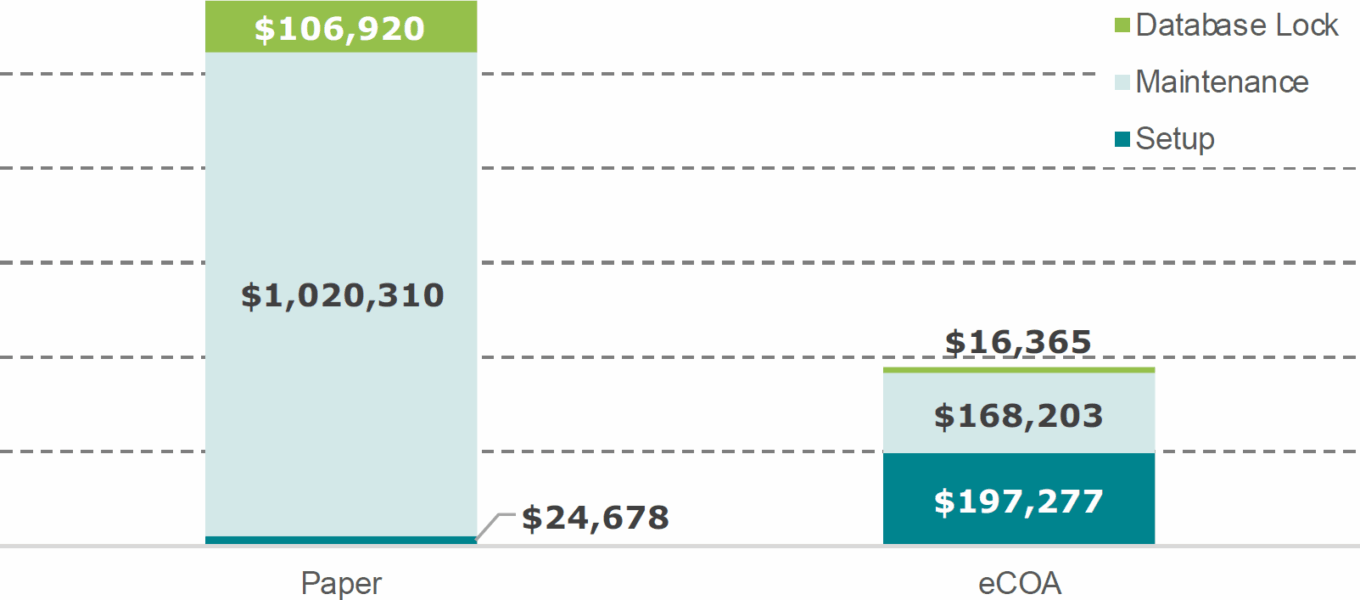
A clinical outcome assessment (COA) directly or indirectly measures how patients feel and can be used to determine whether or not a drug has been demonstrated to provide a treatment benefit. Many studies still use paper methods to collect clinical outcome data, and there are cases when it may make more sense to achieve study objectives through paper rather than electronic methods (e.g., Phase I studies with limited subjects). However, several types of clinical outcome data can be collected more efficiently, at lower cost, and more accurately with electronic approaches (e.g., diary data or daily pain scores).
eCOAs consist of a variety of electronically captured assessments, including patient-reported outcomes (PROs), clinician-reported and healthcare professional assessments (ClinROs), observer-reported outcomes (ObsROs), patient performance outcomes (PerfOs), and E-Patient Diaries.
TABLE 11: Cost comparison: paper to eCOA
Source: CRF Health paper cost modeling tool.
eCOA uses advanced mobile technology such as smartphones, tablets, and personal computers to allow patients, clinicians, and their caregivers to directly report outcomes. eCOA generates highly accurate data that allows for a better understanding of the patient experience in clinical trials.
ePRO is a patient-reported outcome that is collected by electronic devices such as smartphones, tablets, and computers. ePRO methods are most commonly used in clinical trials, but they are also used for other medical applications in healthcare.
ClinRO is a measurement based on the report that comes from a trained healthcare professional after observation of a patient’s health condition. A ClinRO measure involves a clinical judgment or interpretation of the observable signs, behaviors, or other physical manifestations thought to be related to a disease or condition.
ObsRO is a measurement based on an observation by someone other than the patient or a health professional. This may be a parent, spouse, or other non-clinical caregiver who is in a position to regularly observe and report on a specific aspect of the patient’s health. Generally, ObsROs are reported by a parent, caregiver, or someone who observes the patient in daily life.
PerfO is a measurement based on a task performed by a patient according to instructions that are administered by a healthcare professional. Performance outcomes require a patient’s cooperation and motivation.
ePatient Diaries are electronic diaries or tools that are used in clinical trials or disease treatment in order to evaluate a patient’s condition or to measure treatment compliance.
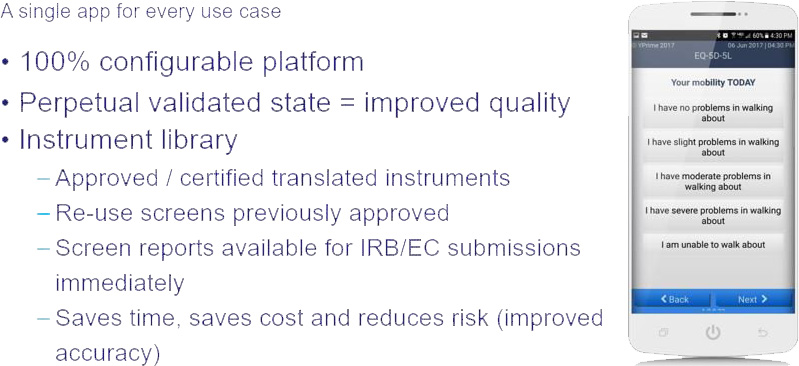
Co-founded in 2006 by CEO Shawn Blackburn and Jaime Cook and based in Malvern, Pa., YPrime is a provider of technology and services that unify diverse data sources and expedite clinical trial data management. The company’s bring-your-own-device (BYOD)-ready eCOA solution provides patients with access to study-related questionnaires and lets them enter patient reported outcomes on their personal smartphone or tablet, enabling greater speed, precision, and integration into the clinical trial. According to CapIQ, the company has raised four rounds of growth capital since 2013 totaling ~$12 million; investors include Ballast Point Ventures and Pleasant Bay Capital Partners.
Cloud-based eCOA
Source: YPrime.
While the solutions in the market today have effectively replaced paper-based patient diaries with electronic versions, the benefits tied to cost and patient engagement have not been fully realized as many sponsors and CROs continue to partner with eCOA vendors to provide the electronic devices for use in clinical studies. According to VitalTrax CEO Zikria Syed: “On average about a third of the eCOA solution cost is for supplying provisioned devices (mobile phones or tablets with eCOA software preinstalled) to patients participating in a trial.”
We think mHealth (mobile health) enabled devices that patients use in their everyday lives to monitor their health and fitness could be put to meaningful use in clinical trials by providing cross-validation of data points collected as well as enhancing data quality.
The adoption of mHealth technology within clinical trials is still in its infancy, but the collection of more frequent data points enables biostatisticians to increase the power of their analyses of whether a new drug is effective and safe. We note regulatory authorities such as the FDA are encouraging the collection of outcomes data, so we expect the industry’s push to leverage real-world data generated from wearables and bring your own device (BYOD) initiatives to continue, resulting in increased patient engagement, earlier insight into efficacy and safety signals, and trial cost savings.
Although ERT, Bracket, CRF Health, Parexel, and Medidata are currently market leaders in eCOA, a number of up-and-coming companies with an increased emphasis on patient engagement and big data such as YPrime, Medable, VitalTrax, and Evidation Health are making a strong push into this fast-growing and evolving space.
Competitive landscape
Third-party software providers like Oracle and Medidata have come to dominate the eClinical sector, which only roughly a decade ago was led by CRO homebrew systems. Back then, CROs were concerned that electronic data capture technology would cut into their core revenue streams by requiring fewer monitors, ultimately leading to fewer billable hours. As a result, many CROs developed in-house systems or acquired EDC providers to support digitized data collection. Around the same time this was occurring, a variety of new and established eClinical vendors entered the marketplace.
Roughly eight years ago, the eClinical market began to consolidate through more than a dozen deals, including Oracle’s acquisition of Phase Forward in 2010 for ~$685 million (EV/sales of 2.8x). As the market continued to consolidate, it became increasingly difficult and expensive for CROs to maintain their own in-house systems.
Currently, most CROs use third-party-developed eClinical solutions such as EDC and CTMS; while some large CROs continue to support internally developed CTMS, most also use systems developed by eClinical vendors in order to accommodate sponsor-company preferences. Parexel is a unique CRO in that it continues to invest in its technology division, Parexel Informatics, which competes directly with third-party eClinical solution vendors. We note Parexel also has the capability to use third-party EDC software depending on a specific client’s preference.
Today, the eClinical solutions market is highly fragmented, with many small vendors and two notable market leaders, Oracle and Medidata, accounting for a combined ~25% of industry revenue. We note Veeva, with the recent launch of its Vault solutions suite, is also making a strong push into the space by leveraging its market-leading Pharma CRM platform. Industry participants we spoke with described the market as highly competitive, price-sensitive, and growing at a double-digit pace due to greater adoption from smaller and mid-sized sponsors and increased use of eClinical solutions for Phase I and IV clinical trials.
Medidata continues to gain share in the large pharma and CRO segment of the market as it successfully targets and converts Oracle Phase Forward customers. Among Medidata’s strengths in serving the large pharma and CRO market is its substantial customer base, which is under multiyear contracts and tends to be reluctant to change vendors. Additionally, Medidata benefits from strong name recognition, highly integrated software, and a robust network of commercial partners promoting its offerings.
Founded in 1999 and headquartered in New York City, Medidata is a provider of eClinical solutions for life sciences sectors. Medidata’s suite of eClinical solutions streamlines key clinical development operations, including protocol development, trial planning and management, site collaboration, randomization and trial supply management, monitoring, safety event capture, electronic data capture and management, advanced reporting, and business analytics. In addition, these solutions reduce the risks associated with clinical trials and improve outcomes while lowering their costs and time to completion.
Medidata delivers these solutions to its customer base of pharmaceutical, biotechnology, and medical device companies, academic institutions, trial sites, and CROs using a cloud-based infrastructure called Medidata Clinical Cloud. Clinical Cloud is currently used by 18 of the world’s top 25 global pharmaceutical companies and 18 of the top 25 medical device developers. Medidata’s service portfolio includes implementation, configuration, data testing, and integration support as well as training, reporting, and consultation services for the clinical development process. The company became public in 2009 selling 6.3 million shares at $14.00 each.
In our view, Medidata and Oracle will likely continue to face challenges from smaller, lower-cost competitors in the small and mid-sized segments of the pharma market like Bioclinica, Medrio, Datatrak, and Parexel. Smaller solution providers are perceived to have newer and more innovative technology, whereas the bigger providers often have difficulty modifying their platforms to keep up with the newest technologies. Also, the appeal of smaller solution providers is that sponsors and CROs tend to have greater influence on them, resulting in a pricing advantage. Despite the market dynamics, we feel there’s still more than enough opportunity for both large and small eClinical solutions providers.
Emerging eClinical solutions
In addition to the core solutions discussed above, we note some emerging eClinical areas, such as risk-based monitoring (RBM) and eSource, which we discuss below. We also highlight several interesting and innovative companies we think industry stakeholders should be paying attention to.
Risk-based monitoring (RBM)
FDA regulations require sponsors to monitor the conduct and progress of their clinical trials. The pharmaceutical industry has traditionally relied heavily on on-site monitoring, including frequent source data verification (SDV), to help ensure processes, procedures, and records are kept in accordance with protocols, standard operating procedures (SOPs), GCP, and applicable regulatory requirements. Clinical research associates (CRAs) conduct site visits frequently (every 4-8 weeks) to achieve 100% SDV. SDV can be a laborious task because it involves the validation of data presented in case report forms against original source data such as laboratory notes, pharmacy dispensing records, and consent forms. Additionally, it can be costly, with an estimated $8 billion spent each year industry-wide on SDV monitoring, accounting for ~15-30% of total individual trial costs. On-site monitoring is a reactive approach and is limited in its ability to quickly identify issues and prevent them from recurring.
Recognizing these issues, in 2013 the FDA issued industry guidance, Oversight of Clinical Investigations – A Risk-Based Approach to Monitoring, which encourages trial sponsors to consider a change in their approach to monitoring. Basically, RBM calls for a targeted approach, encouraging sponsors to focus on the high-risk data points that are prone to mistakes or differences in interpretation or transcription and that have a high impact on the quality of the data and the outcome of the study. RBM software applications are built to facilitate centralized statistical monitoring that allows for cross-trial analysis and cross-site analysis of data and subsequently more targeted site visits by CRAs. The software is designed to help reduce trial risk for patients, as fraud or clinical problems are detected earlier. At the same time, sponsors save on travel expenses and labor hours for CRAs. According to a 2010 study published in the Drug Information Journal, sponsors could save up to 24% on Phase 3 oncology study costs by cutting SDV to 50% and reducing monitoring frequency from every six weeks to every 10 weeks.
Founded in 2012 by Harvard-trained biostatistician Marc Buyse, Belgium-based CluePoints is a leading provider of risk-based monitoring and data quality oversight software. The company’s products use statistical algorithms to determine the quality, accuracy, and integrity of clinical trial data both during and after study conduct. Aligned with guidance from the FDA, the European Medicines Agency (EMA), and the new ICH (E6) addendum, CluePoints is deployed to support traditional on-site monitoring and medical review and to drive a risk-based monitoring (RBM) strategy. The value of using CluePoints lies in its powerful and timely ability to identify anomalous data and site errors, leading to improvement in clinical data quality, optimization of on-site monitoring, and a significant reduction in overall regulatory submission risk.
Despite the perceived benefits, industry adoption has been slow as many RBM programs at sponsor companies have not advanced beyond the pilot phase due to uncertainty regarding what SDV levels in trial phases are acceptable in the eyes of the FDA. Another hurdle to adoption is that RBM hits at the heart of the CRO industry as site monitoring is a core outsourced business process CROs typically provide.
Going forward, we expect both sponsors and CROs to more aggressively develop a RBM strategy as a result of the recently finalized International Council for Harmonization’s addendum to the ICH E6 Guideline for Good Clinical Practice (ICH E6 R2), which states “the sponsor should develop a systematic, prioritized, risk-based approach to monitoring clinical trials.” Specific solutions that employ sophisticated algorithms and analytics to detect risk like CluePoints could be prime beneficiaries, in our view.
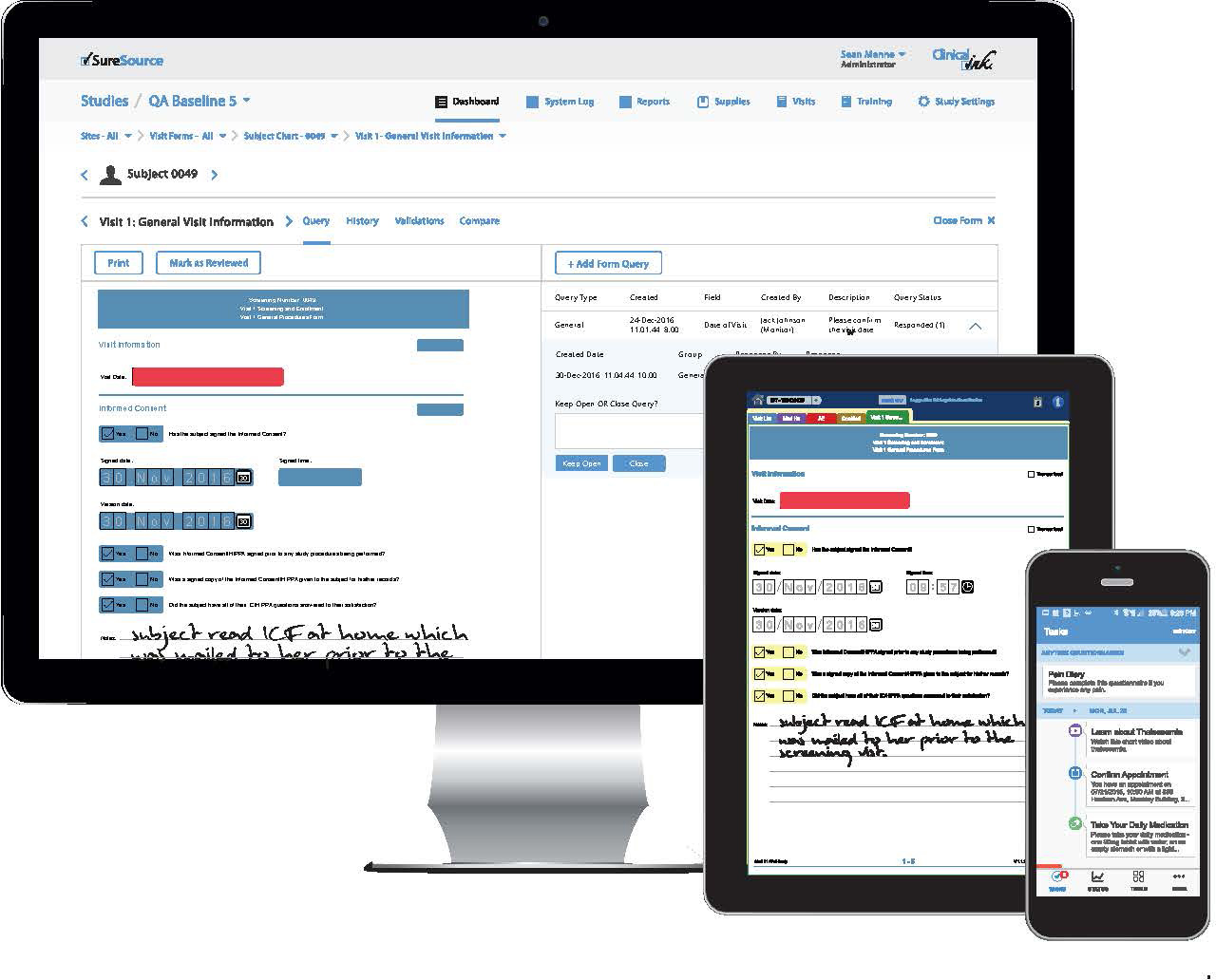
Privately held and founded in 2007 by the late Tommy Littlejohn, M.D., and Doug Pierce, Clinical Ink developed the industry’s first purpose-built eSource solution called SureSource, which emulates the familiar look, feel, and usability of a paper chart. It is designed to capture clinical trial data during the subject visit on a tablet PC instead of paper, as opposed to electronic data capture (EDC) systems, and this direct approach provides cleaner data faster and eliminates the time-consuming monitoring process of source data verification. The SureSource platform was first used commercially in 2012 and has now exceeded 8,000 users in more than 50 countries. The SureSource study build includes custom electronic case report forms (eCRFs), protocols, and study-specific integrations needed for clinical trials, all pre-loaded onto tablets, resulting in EDC site time transcription savings of ~30%.
Current CEO Ed Seguine joined Clinical Ink in late 2009 with the goal of eliminating the problems in clinical trials caused by paper-based processes and technologies. According to Pitchbook, the company has raised ~$30 million of equity capital since 2011 and counts MPM Capital, F2 Ventures, Clayton Associates, and FCA Venture Partners as investors. Clinical Ink maintains offices in Cambridge, Mass., Winston-Salem, N.C., and Philadelphia.
eSource
eSource data is subject data that is collected digitally at the source without having to record it on a piece of paper first and then transcribe it to an EDC or ECOA system.
With eSource, information flows directly into the study’s clinical trial database in real time or near real time, allowing for earlier visibility and a faster start to data analysis. This information includes data collected in the trial, such as clinical findings, observations, and evaluations conducted on the patient.
According to FDA industry guidance in Electronic Source Data in Clinical Investigations, source data includes all findings, observations, or other activities in original and certified copies of original records used by regulators to reconstruct and evaluate a clinical trial. The agency also outlines the key expected industry benefits of adopting eSource, including eliminating unnecessary duplication of data and associated transcription errors.
Currently, most eSource solutions are built on tablets designed to “look and feel” like paper but that enable sites to record clinical trial data electronically while they are seeing and caring for patients – saving sites on average one hour per patient visit for data transcription.
The benefits to using eSource include:
Eliminating the need for source data verification because data can be checked automatically, resulting in fewer data mistakes and protocol deviations.
Reducing the need for frequent onsite monitoring visits.
Facilitating remote monitoring of research sites and providing CRAs real-time access to accurate and complete study data with electronic audit trails.
Saving time at the site level, allowing sponsors to focus on important issues such as trial recruitment and patient retention.
At some point in the next 5-10 years, we see eSource eventually replacing EDC as the primary data capture solution. Additionally, in our view, the capabilities offered by eSource are a natural for enhancing RBM capabilities.
Study start-up (SSU), site development, and trial compliance
At a time when the clinical trials industry continues its transition away from paper-based trials and toward greater adoption of web-based technologies, users are embracing tools designed to streamline various pieces of the clinical development process. Much of the focus has been on compressing study conduct timelines, but with up to 70% of all trials experiencing enrollment delays, nearly half being completed later than originally planned, and 20% of trial sites recruiting zero patients, it’s clear to stakeholders that new approaches to study start-up are needed.
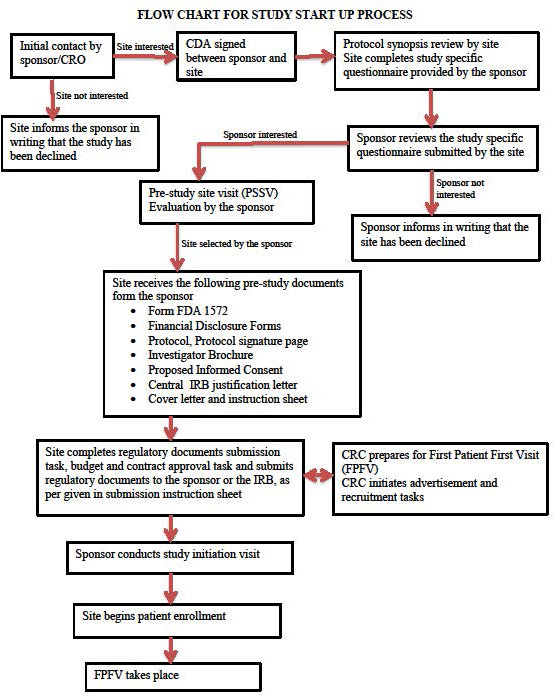
TABLE 13: Flow chart for study start-up process
Source: Overview of Study Start Up Activities for a Clinical Trial at an Investigative Site, University of North Texas Health Science Center; (2012).
SSU is an array of activities typically performed by a CRO at the launch of a clinical trial, such as site selection and initiation, regulatory document submission, contract and budget negotiations, and enrolling the first patient. Any delay in the start-up process will inevitably impact the time available for the study itself, and the longer the startup phase, the shorter the patient recruitment period. Highly complex study protocols and the globalization of clinical trials now require collaborative efforts from many different stakeholders, including study sponsors, CROs, site management organizations, investigators, and patients, to adhere to the planned timelines and costs and to ensure proper patient enrollment.
Unfortunately, trial sites are sinkholes for trial budgets as SSU is often the slowest and most inefficient stage of the clinical trial process. It takes one year, on average, to identify a site and activate it to conduct research. Additionally, the cost of initiating a site has been estimated at $20,000-$50,000, and the revenue lost due to a drug not yet being available on the market is upwards of $1 million per day per trial depending on disease and indication.
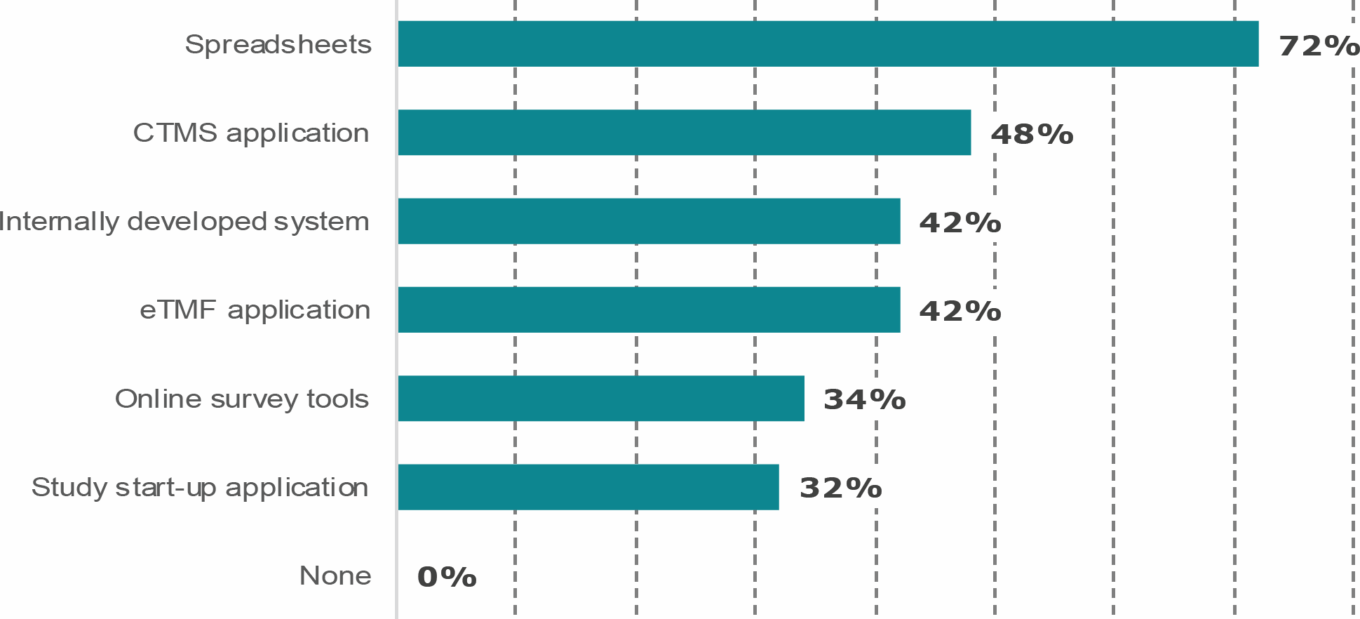
Spreadsheets and CTMS are the most commonly used applications for SSU. Spreadsheets require tremendous manual effort for entry, updating, and checking and lack visibility. This makes it tough for sponsors to track activity in real time, view trends, be audit-ready, and avoid bottlenecks. CTMS solutions do offer functionality for planning and tracking, but this type of system can be extremely complex and inflexible in managing the local requirements in a global study start-up process. The CTMS provides no or very limited ability to manage or process documents.
To confront these issues, we expect the industry to continue to migrate away from the use of spreadsheets and adopt more functional and specific tech-enabled SSU applications. In terms of current applications, the two most popular for site selection and feasibility are DrugDev’s Site Feasibility Tool owned by IQVIA and CenterWatch’s Research Center Profiles owned by WIRB-Copernicus Group.
For site enrollment, there are also a number of eConsent companies that assist sites by digitizing the informed consent process. The FDA defines eConsent as “using electronic systems and processes that may employ multiple electronic media (e.g., text, graphics, audio, video, podcasts and interactive websites, biological recognition devices, and card readers) to convey information related to the study and to obtain and document informed consent.” Despite widespread industry adoption having been slower than expected due to uncertainty about the ROI, activity in the eConsent sector has begun to heat up following Medidata’s recent acquisition of Mytrus. In August, WIRB-Copernicus Group acquired Patient Genesis’ Consent Now eConsent technology, and in June, CRF Health launched an updated version of its TrialConsent platform that can be integrated with existing eCOA solutions. According to Quorum Review IRB, new investments and growing interest in global regulation suggest eConsent adoption will increase from its current level of 3-5% of global studies to at least 20% within the next three years.
TABLE 14: Tools used to manage study start-up processes
New eClinical solutions have also been designed specifically to help sites manage regulatory documents more efficiently. Clinical trials require regulatory documents to capture the activities performed before, during, and after the accrual of participants. These documents may vary depending upon the type of trial and regulatory requirements but typically contain the study protocol, institutional review board (IRB) approvals, informed consent completed by participants, copies of curricula vitae and medical licenses of study investigators, financial disclosures, package inserts (in device studies), Form FDA 1572 (“Statement of Investigator” required by the FDA in drug studies) or investigator agreements (required by FDA in device studies), and the site’s delegation of authority log, etc. This collection of documents is referred to as the regulatory binder. Regulatory compliance solutions like Florence’s eBinder Suite and Complion’s eRegulatory platform have come onto the market recently to help trial sites keep regulatory binders organized, up-to- date, and audit-ready.
Founded in 2008 and based in San Francisco, goBalto is a privately held cloud-based study startup software provider for the global life sciences industry, offering a complete end-to-end platform for starting clinical trials, from site identification, feasibility assessment, and selection to activation, with comprehensive metrics to track adherence to timelines and budget. The company’s customers include Allergan, Covance, CMIC HOLDINGS, Genentech Roche, ICON, INC Research, Novartis, and PSI CRO. Regarding site launch, goBalto offers a cloud-based end-to-end study start-up (SSU) platform covering site identification, selection, and activation that aims to reduce cycle times by 30%+ and improve quality and regulatory/standard operating procedure (SOP) compliance. In addition, goBalto’s platform offers stakeholders the ability to view study status in real time, including the presence of bottlenecks. According to CapIQ, the company has raised a total of ~$39 million since 2010 and counts Aberdare Ventures, Dolby Family Ventures, Mitsui & Co. Global Investment, Qualcomm, and West Health as investors.
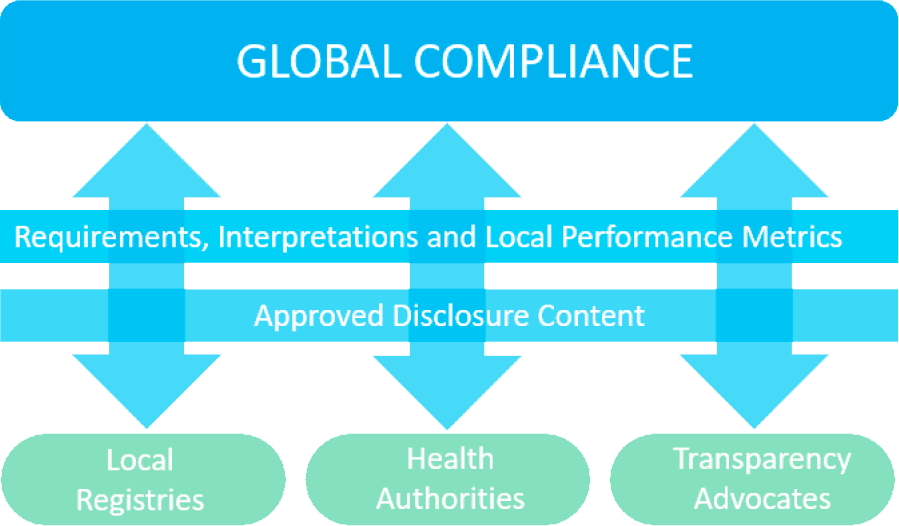
Pursuing regulatory approvals in multiple geographies at the same time means sponsors have to conduct clinical trials in different countries simultaneously, which often leads to compliance issues related to disclosure. Currently, there are 30+ clinical trial registries worldwide and over 90 countries with specific transparency and disclosure requirements. Nearly all of those countries have their own clinical trial disclosure sites, such as ClinicalTrials.gov in the U.S., with their own regulations on how data should be reported on those sites. In the U.S. the FDA Amendments Act (FDAAA) of 2007 requires all interventional Phase II, III, and IV trials to be disclosed.
Florence Healthcare’s eBinder Suite replaces paper investigator site files, trial master files, and source binders. It also gives sponsors remote monitoring capabilities and real-time insights into study progress. Hundreds of sponsors and sites trust Florence eBinders to enable new trial management approaches. Based in Atlanta, the company was founded in 2014, and investors include Bee Partners, Bessemer Venture Partners, and Green D Ventures.
When it comes time to file a NDA or BLA with the FDA, sponsors must confirm they have complied with disclosure requirements by submitting a Form 3674. Non-compliance can result in an initial fine of $10,000. If not corrected within 30 days, the fine could rise to $10,000 per day for every day in non-compliance. In addition to monetary penalties, the agency can issue a public notice of the violations and withhold or restrict applicable grant funding. So much information is required that sponsors typically have an in-house, full-time staff devoted to trial disclosure. To mitigate these regulatory and compliance risks, eClinical solutions provider TrialScope has developed a suite of clinical trial transparency software solutions that provides timely and accurate visibility into global disclosure compliance, coordinates the disclosure work of all stakeholders, and supports the overall global disclosure process.
Founded in 2012 and based in Jersey City, N.J., TrialScope’s cloud-based software platform provides tools and systems for clinical trial sponsors to comply with legislation and internal policy and to register clinical trials and disclose results. The company’s software enables clinical trial sponsors to manage the growing risk, complexity, and costs associated with clinical trial disclosure and to improve performance, mitigate compliance risk, and ultimately optimize efficiencies. Since 2013, the company has raised ~$16 million in equity capital from an investor base that includes Edison Partners, NewSpring Capital, and Dublin Capital Partners.
Patient recruitment
As the industry seeks to rein in the high cost of drug development, one area with significant potential for cost savings is patient recruitment. According to Janet Woodcock, director of the FDA’s Center for Drug Evaluation and Research (CDER), sites for clinical trials are frequently selected on the basis of where the investigators are located as opposed to where the patients are, creating difficulties in patient recruitment and driving up costs. From 2008 to 2013, Phase I trial patient recruitment budgets rose 157% to $23,600 per patient enrolled while Phase II trial recruitment budgets rose 108% in that same time period. Additionally, an estimated $2 billion is spent globally each year on patient recruitment (~$1.2 billion in the U.S.).
Patient recruitment represents one of the greatest bottlenecks in the drug development process, particularly as trials become increasingly complex and more specialized (i.e., rare diseases). With less than 5% of the U.S. population participating in clinical trials and ~46% of trial failures attributed to poor recruitment, finding the patients with the right inclusion criteria is top of mind for the industry. Typically, when recruitment challenges occur, trial delays ensue, and costs increase in the form of adding more research sites to the mix or broadening inclusion criteria to identify and enroll qualified participants. According to industry metrics, for every patient to be randomized in a trial, the trial site (or the overall trial) will need to identify or locate ~10 patients.
ePatientFinder, based in Austin, Texas, provides physicians and clinical trial sites a secure technology platform to leverage actionable EHR data. By tapping into the trusted relationships that physicians have with their patients, ePatientFinder mines and produces high-quality referrals that help clinical trials get populated more quickly and cost effectively. With ePatientFinder, physicians and EHR providers develop an additional revenue stream with little change to their current activities, and patient satisfaction increases significantly with access to the advanced care that is only available through clinical trials. According to data from Tracxn, the company has raised ~$13 million in total capital.
The most widely employed method of clinical trial recruitment involves outreach directly to the patient. Sponsors either rely on their CRO’s ability to locate eligible patients or invest in billboard advertising, newspaper ads, and radio and television commercials to attract the attention of potential participants, who then self-refer to the advertised studies. Both methods are expensive and hit or miss, with, for example, a four-week billboard rental costing between $1,500 and $30,000. As a result, we feel new approaches are needed for identifying and enrolling qualified trial participants. By leveraging new patient-centric technologies like EHRs and “omics” data, study sponsors can improve the identification of potential participants as well as make trials more accessible and convenient. We see companies like ePatientFinder, which leverages the trusted doctor/patient relationship and patient-specific EHR data to drive enrollment, and MolecularMatch, which links a patient’s genetic biomarker to a corresponding clinical trial, as innovative recruitment tools that have the ability to drive efficiencies in the recruitment process.
Featured eClinical solutions providers
Privately-held Palo Alto, Calif.-based Medable provides a comprehensive, secure, HIPAA-compliant cloud-based platform that enables the discovery of digital biomarkers. Digital biomarkers are consumer-generated physiological and behavioral measures collected via digital tools data that can be used to explain, diagnose, and/or predict health-related outcomes. Medable’s suite of products includes Axon, a “no coding required” solution enabling researchers to deliver smartphone clinical studies on a secure, HIPAA compliant technology stack; Synapse, a clinical care app solution for providers and patients; Cortex, a developer tool used to create scalable, EHR interoperable, HIPAA-compliant applications; and Cerebrum, a cloud-based machine learning solution created specifically for healthcare apps. The company was founded in 2012. Investors include TMCx Innovation, Exxclaim Capital, HealthX Ventures, and Launchpad Digital Health.
Evidation Health is a tech-enabled solutions and services provider that helps healthcare companies quantify and realize value in the digital era of medicine. Evidation developed its real-world evidence study platform to accelerate and enhance outcomes research through direct-to-patient “siteless trials.” The platform enables the passive collection and deep analysis of continuous behavior data alongside traditional healthcare information, empowering individuals and innovative companies to understand and influence the everyday behaviors that create better health outcomes. Based in San Mateo, Calif., Evidation works across the healthcare ecosystem with top pharmaceutical companies, payers, providers, and digital healthcare companies. Privately held and founded in 2014, Evidation has raised ~$31 million in capital since inception. Investors include Sanofi-Genzyme Bioventures, GE Ventures, B Capital Group, Pappas Ventures, Asset Management Ventures, Rock Health, and Fresco Capital.
Signet Accel is a healthcare IT solutions company that provides physicians and researchers the ability to view, analyze, and experiment with aggregated data from disparate sources on a global scale. Its flagship product, Avec, is a federated data integration platform designed to integrate data in complex environments and facilitate interoperability. The company’s clients include Ohio State’s James Cancer Hospital and Solove Research Institute, the Hairy Cell Leukemia Foundation, the Oncology Research Information Exchange Network (ORIEN), REACHNet, and the Louisiana Statewide Initiative. With its expanding client base and deepening client engagements, Signet Accel recently announced it had raised $8 million in Series A growth capital led by Edison Partners. The proceeds will be used to fuel the company’s growth and expansion plans, which include a 60% increase in staff in 2017. The company was founded in 2014 and is headquartered in Columbus, Ohio.
Founded in 2016, Philadelphia-based VitalTrax delivers a complete patient engagement solution for clinical trials consisting of a cloud-based enterprise platform and a mobile application for patients. For clinical study teams, VitalTrax creates an enterprise platform to run trials efficiently. For site teams, VitalTrax makes it easier to recruit and communicate with patients during the trial. VitalTrax’s mobile app solution, Wing, is an engagement tool that provides a way for patients to search for trials, apply to become a volunteer, and stay involved during the trial. In March 2017, VitalTrax received seed financing from Ben Franklin Technology Partners of Southeastern Pennsylvania, Independence Health Group (the parent company of Independence Blue Cross), and Safeguard Scientifics Inc. VitalTrax was the first company to receive funds from a $6 million digital health funding initiative launched by Safeguard Scientifics, Ben Franklin Technology Partners, and Independence Blue Cross, which was announced in December 2016.
Founded in 2015 by Raymond Nomizu and Phuc Truong, Clinical Research IO’s eSource system replaces paper forms with an interactive application that gives researchers the ability to create eSource templates and use a mobile tablet to capture source data. Research sites can save time, improve accuracy, and reduce protocol deviations through autofill and data validation techniques. Its system also has patient scheduling, recruiting, and financial management for a holistic, all-in-one enterprise solution. The company is headquartered in Boston, and investors include NXT Ventures and Rally Ventures.
Protocol First is a SaaS electronic data capture (EDC) data management company founded in 2015 in Berkeley, Calif. Protocol First’s P1 technology uses the Amazon Web Services cloud to achieve scalability and security required for a next-gen EDC system that contains eSource and is built to be compliant with all relevant regulatory requirements, including the new ICH E6 (R2) guidelines for good clinical practice. Before final trial protocols are launched, P1 generates a protocol assessment for internal consistency – eliminating costly and unnecessary protocol amendments. P1 is used by leading biopharma, CROs, and non-profit organizations to power complex clinical trials in oncology, immune-oncology, and other difficult therapeutic areas.
Cleveland-based Complion is a leading eRegulatory and document management platform used by clinical research sites and their sponsors to enable secure, compliant, and efficient management of documents and administrative tasks. Complion removes walls between physicians, administrators, and staff by intelligently providing secure access to the right document when they need it. The company was founded in 2012, and investors include Flashstarts, Rev1 Ventures, and JumpStart.
Based in Houston, MolecularMatch is a clinical informatics company founded by Dr. James Welsh in 2014 with licensed technology out of MD Anderson Cancer Center. The company has developed a comprehensive knowledge platform incorporating genomic evidence-based medicine with therapeutics and clinical trials that enables faster, more cost-effective trial recruitment. Since its founding, the company has raised ~$6.5 million.